If you are dreaming about more land, more privacy, and a little more breathing room, buying an acreage home in Copper Canyon can feel like a perfect fit. It can also come with a very different set of questions than buying in a typical subdivision. This guide will help you understand what makes Copper Canyon unique, what to check before you make an offer, and how to buy with more confidence. Let’s dive in.
Why Copper Canyon acreage is different
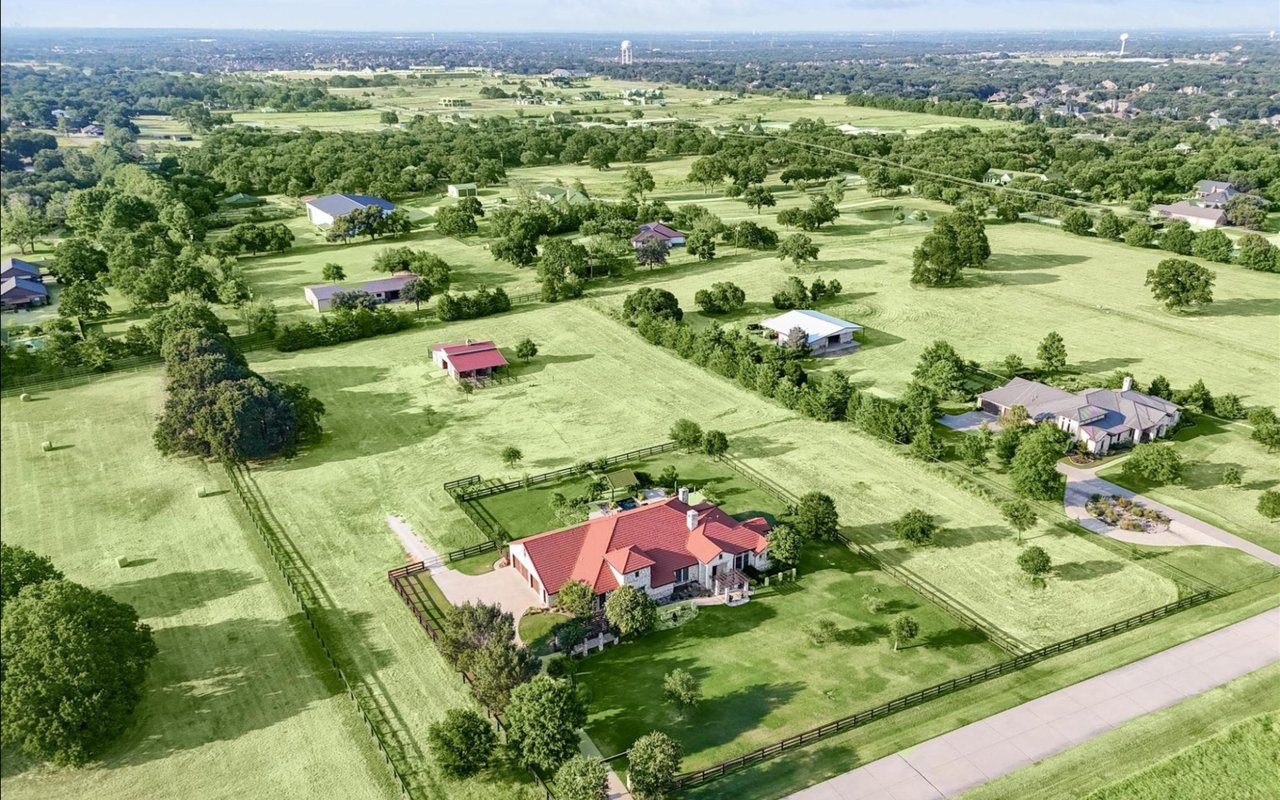
Copper Canyon is a small Denton County town that was incorporated in 1973 to preserve a rural atmosphere. The town reports 1,731 residents across 4.25 square miles, and its zoning includes larger-lot districts such as RE10, RE5, R1, and R2. That means acreage homes here are often more site-specific than homes in a standard neighborhood.
In practical terms, you are not just buying a house with a bigger yard. You are buying into a town with a deliberate rural identity, local development standards, and land-use rules that shape how the property can be used now and later. That is a big part of the appeal, but it is also why due diligence matters so much.
Rural character shapes the lifestyle
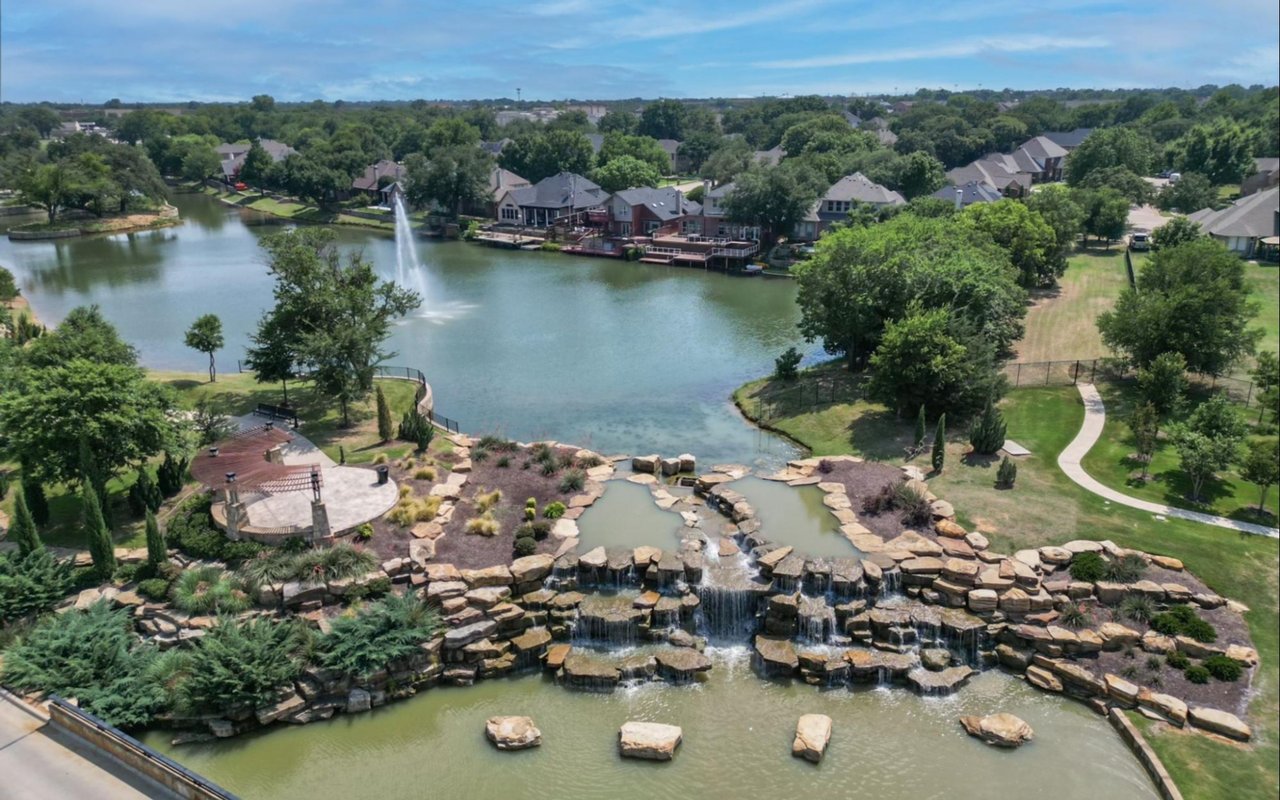
Copper Canyon’s rules and history point to a town that is designed to support low-density living. The town also notes nearby outdoor recreation at Pilot Knoll, along with maintained horse trails and a rural setting that many buyers are specifically looking for.
If you want space for outdoor use, room between homes, or a property that feels less like a subdivision and more like a true acreage lifestyle, Copper Canyon stands out. The key is making sure the property you choose matches how you want to live on it.
Zoning matters more on acreage
Copper Canyon’s zoning framework includes districts with 1-acre, 2-acre, 5-acre, and 10-acre lot patterns. That matters because what you can do with the land may vary based on the zoning district, plat status, frontage, easements, and other site-specific factors.
Before you fall in love with a property, confirm the zoning and ask how that zoning affects current use and future plans. On acreage, little details can become big details very quickly.
Horses, agricultural use, and land use rules
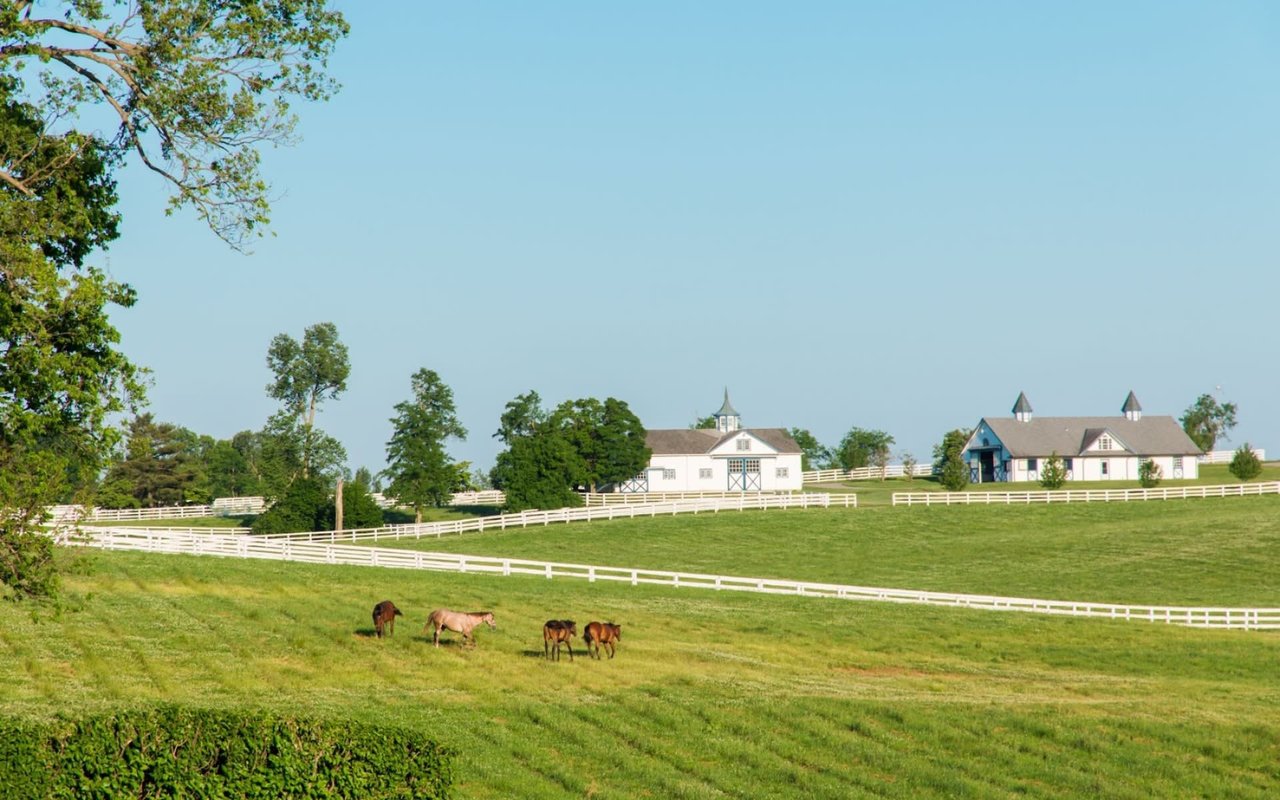
One of the most distinctive parts of Copper Canyon is that its code is horse-friendly. Private horse ownership is allowed as an accessory residential use, and no conditional-use permit is required for private ownership. The code allows up to three horses per acre.
That said, different uses have different rules. Boarding horses for a fee requires at least 2 acres, and commercial boarding operations require a conditional-use permit and at least 5 acres. The code also allows agricultural uses, nurseries, pastures, and grazing land in residential districts except the Town Center district.
Ask what the property allows today
If you are considering a property for horses or other outdoor uses, do not assume every acreage lot functions the same way. The zoning district and site layout can affect what is possible.
It is smart to ask:
- Which zoning district applies to the property?
- Are horses allowed under the current use?
- Are there limits tied to acreage size?
- Are there any restrictions that affect barns, fencing, or other improvements?
- If your plans could change later, what additional approvals might be required?
Access can make or break the purchase
Access is one of the biggest issues to review when buying acreage in Copper Canyon. The town requires platted lots to have frontage on a public street, a private driveway to a public street, or a private street built to Town standards.
For some unplatted property of 5 acres or more, platting is not required solely to construct driveway access for four or fewer dwelling units. Even then, the driveway design must still be reviewed by the Town Engineer. In other words, access is never something to treat casually.
Driveways and drainage go together
Copper Canyon’s driveway and culvert permit form asks for 100-year flow and culvert diameter. That is a helpful clue for buyers because it shows how closely access and drainage are connected.
A long driveway may look simple at first glance, but water flow, culvert needs, and engineering review can affect both cost and usability. If a property has a creek crossing, low area, or unusual topography, make sure you understand what is already approved and what may need further review.
Utilities are not always plug-and-play
Acreage homes often have a different utility setup than homes in a standard subdivision. Copper Canyon lists electric service through Co-Serv, water through Cross Timbers Water Supply, sewer service through Diversified Technology, and also provides a separate septic contact.
That means two nearby properties may not have the same wastewater setup. One may have sewer service, while another may rely on an on-site sewage facility, also called an OSSF.
Verify sewer versus septic early
Copper Canyon requires an OSSF permit for all new construction and for renovations that significantly change square footage or water flow. Site evaluations must be completed by a Professional Engineer or Registered Sanitarian.
If the property uses septic, ask for permit records, site details, and maintenance history as early as possible. This is not a small detail. It affects your inspections, future improvements, and long-term ownership responsibilities.
Easements, drainage, and floodplain review matter
Large lots can give you more flexibility, but they can also come with more physical constraints. Copper Canyon’s subdivision ordinance requires utility easements, emergency-access easements on private streets, and floodplain easements where needed. The 100-year floodplain must also be delineated and shown on the plat.
The ordinance also states that buildings, fences, shrubs, trees, and other improvements cannot be placed in many easements, and the town and utilities may access those areas for maintenance. So even if a lot looks wide open, not every part of it may be usable in the way you expect.
Review the survey before planning improvements
If you are thinking about adding a barn, extending a driveway, building fencing, or making other changes, the survey is critical. You will want to know where easements, drainage paths, and floodplain areas sit before you close, not after.
On acreage property, a survey is not just a closing document. It is a roadmap for what the land can realistically support.
Maintenance looks different on acreage
Acreage living usually means you are managing more than the home itself. You are also managing land, drainage patterns, open space, and in some cases a septic system.
Denton County’s septic guidance recommends cleaning septic tanks on a two-to-three-year cycle. It also warns against placing driveways or structures over the treatment field and reminds owners that an OSSF is not the same as a city sewer system.
Site stewardship is part of ownership
Copper Canyon’s land-use rules reinforce this hands-on ownership model. The town requires native North Texas plantings and substantial ground cover in open space, and its residential design standards also influence lot orientation, screening, and architecture.
That does not mean acreage ownership has to be complicated. It does mean you should go in with clear eyes about ongoing maintenance and the extra planning that can come with a rural-style property.
Financing and appraisal can be more complex
Buying an acreage home can involve more lender questions than buying a house in a dense subdivision. Loan type affects down payment, monthly payment, and total cost, so comparing financing options early is important.
Appraisals can also be trickier. Fannie Mae notes that rural properties often have large lots and fewer comparable sales nearby, which can lead appraisers to pull sales from farther away. Comparable selection may also account for physical and legal characteristics, including flood zone.
Prepare for extra lender scrutiny
That does not mean financing acreage is impossible. It just means your lender may look more closely at the land, access, utility setup, and comparable sales.
If the property has septic, unusual access, or floodplain considerations, expect those details to matter during underwriting. The more you understand upfront, the fewer surprises you are likely to face later.
Future plans should be part of your decision
If you think you may want to subdivide land later, treat that as a separate research question before you buy. Copper Canyon’s subdivision ordinance applies in the town and its ETJ, requires lots and developments to meet platting rules, and allows the town to withhold permits or occupancy until required improvements are completed and recorded.
That means future-use potential is not just about lot size. It is also about plat status, frontage, public-improvement requirements, and town approval processes.
Buying for today and tomorrow
Some buyers only care about enjoying the property as-is. Others want to preserve flexibility for future changes. Both approaches are valid, but you want to know which one applies to you before you commit.
If future subdivision or redevelopment is part of your thinking, ask that question at the beginning of the process. It is much easier to evaluate early than to untangle later.
Questions to ask before making an offer
Before you move forward on an acreage home in Copper Canyon, make sure you have answers to these practical questions:
- Is the property platted or unplatted?
- Does it have legal frontage or approved driveway access?
- Which zoning district applies?
- What does that zoning allow for horses, agricultural use, or future changes?
- Is the home on public water, public sewer, or septic?
- If septic is involved, what is the permit and maintenance history?
- Are there utility easements, floodplain easements, or drainage restrictions?
- Will the lender need a full appraisal, and are there enough comparable acreage sales nearby?
- If future land division is a goal, what town requirements would apply?
Why local guidance matters on acreage purchases
Acreage homes can be incredibly rewarding, but they usually require more careful review than a typical suburban home purchase. In Copper Canyon, that is especially true because the town’s rural identity is protected through zoning, design standards, access rules, and infrastructure requirements.
That is where experienced local guidance can make a real difference. When you understand the property itself, the town rules, and your long-term goals, you are in a much stronger position to buy with confidence.
If you are exploring acreage homes in Copper Canyon and want clear, candid guidance through the details, the team at Berry Boyd Group is here to help you think through the property, the process, and the questions that matter most.
FAQs
What makes buying an acreage home in Copper Canyon different from buying in a subdivision?
- Copper Canyon acreage homes are more site-specific because zoning, access, utilities, easements, floodplain conditions, and land-use rules can vary more than they do in a typical subdivision.
What should you verify about utilities on a Copper Canyon acreage property?
- You should confirm whether the property has public water, public sewer, or an on-site sewage facility, and if septic is involved, review permit and maintenance history.
What should you ask about horses on a Copper Canyon property?
- You should confirm the zoning district, allowed horse use, acreage requirements, and whether any planned boarding or related use would require additional approvals.
Why does driveway access matter on a Copper Canyon acreage lot?
- Access matters because the town requires legal frontage or approved access arrangements, and driveway design may also need engineering review tied to drainage and culvert requirements.
Why are surveys and easements important when buying acreage in Copper Canyon?
- Surveys and easement maps help you understand where you can and cannot place improvements such as fences, barns, driveways, trees, or other structures.
Can future subdivision affect your Copper Canyon home purchase decision?
- Yes. If you may want to split land later, you should evaluate plat status, frontage, and town subdivision requirements before buying so you understand what future approvals or improvements may be required.