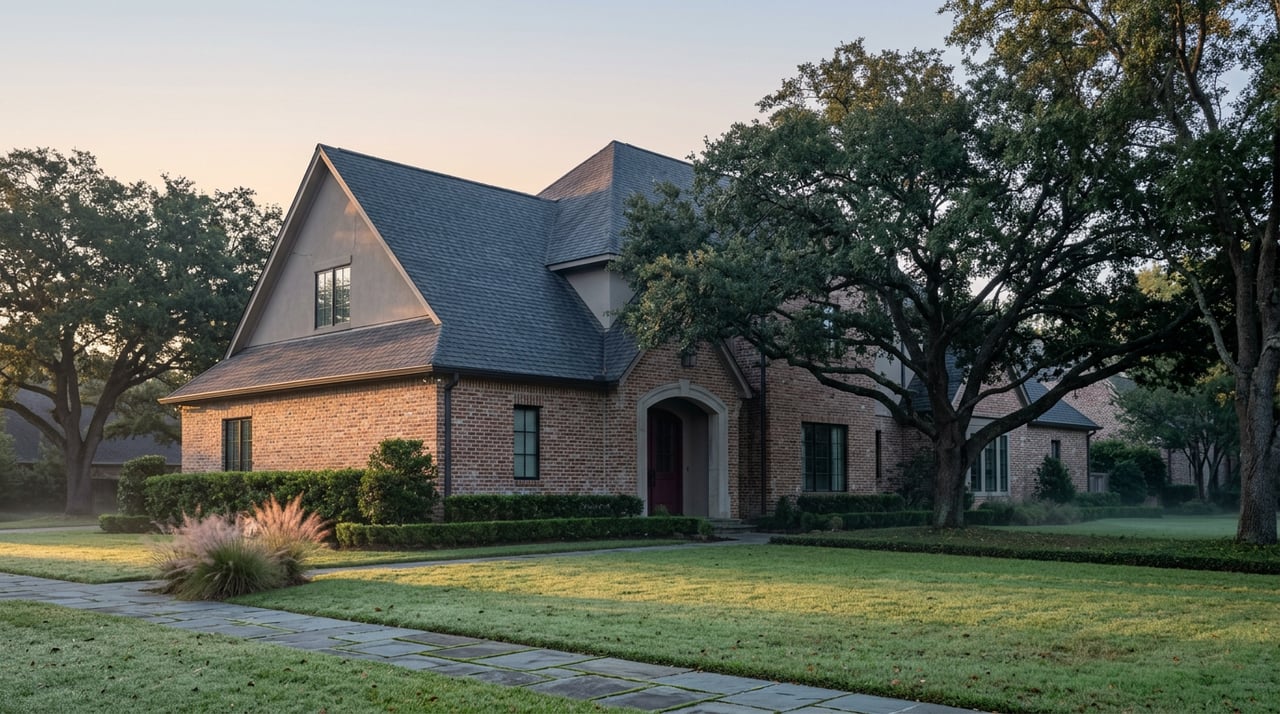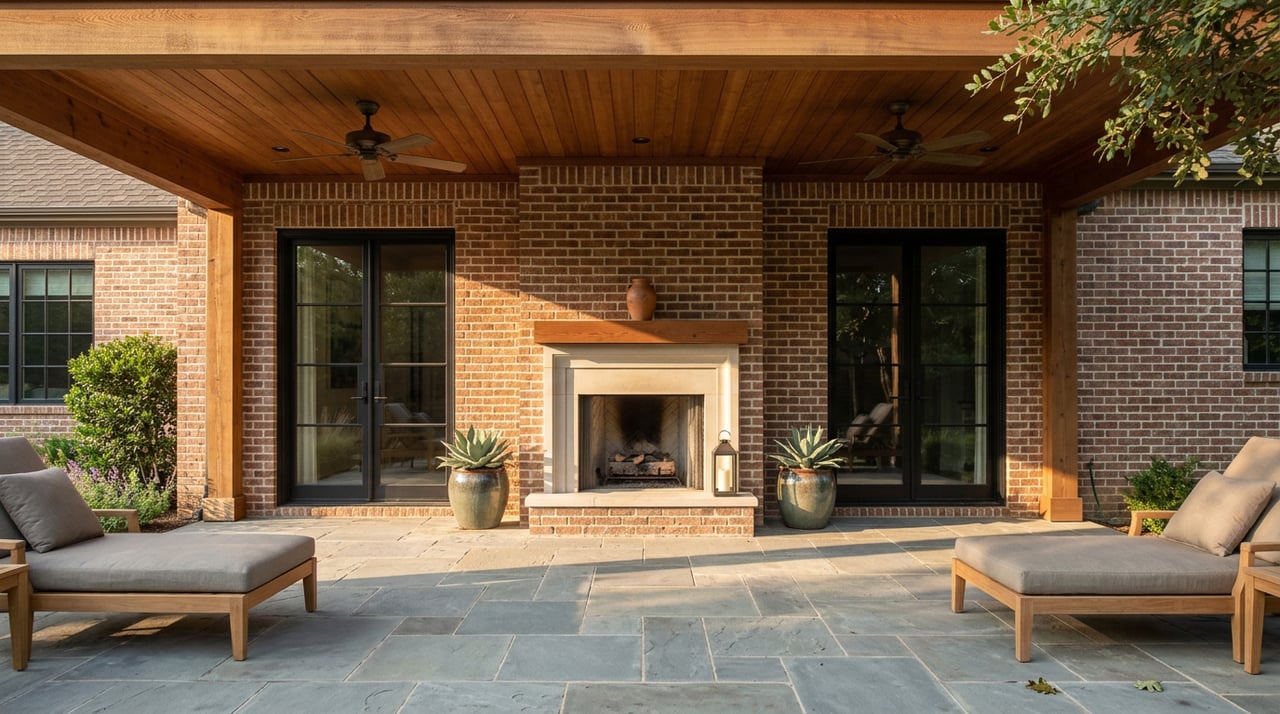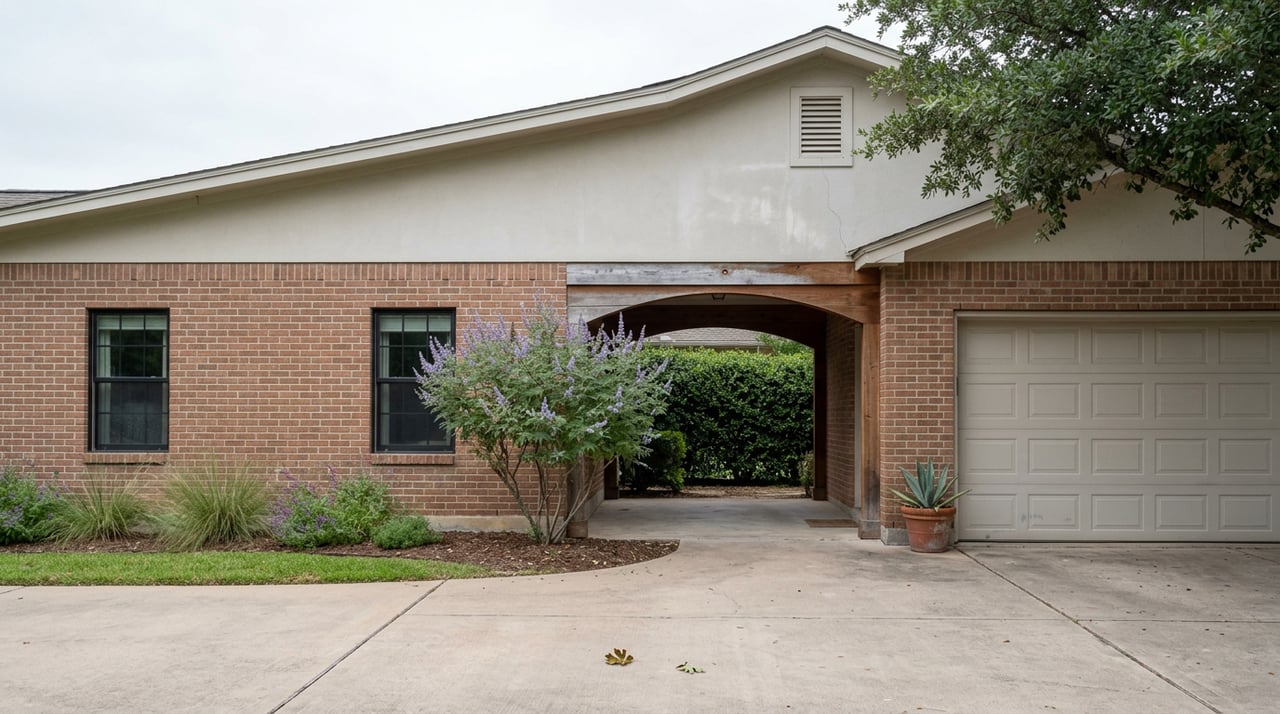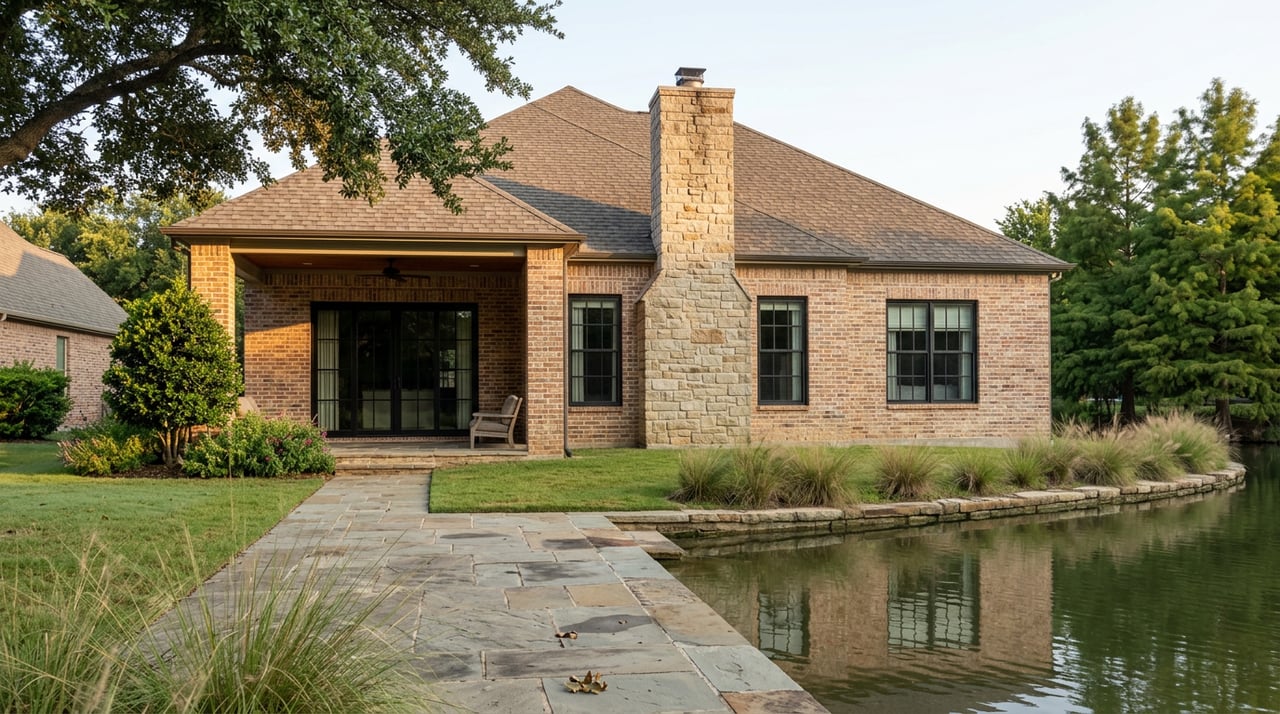
Setting the right price for your home is one of the most important decisions you’ll make during the selling process, especially in a shifting real estate environment. Buyers are more informed than ever, inventory conditions are constantly evolving, and market trends can change month to month. This means that pricing is no longer about guessing—it’s about strategy. If you’re wondering how to price a house for sale in a way that attracts serious buyers while maximizing your return, the key is to understand the context of your local market and position your home competitively without undervaluing what it offers.
Why Pricing Matters More Than Ever
Pricing your home correctly affects everything from how quickly it sells to how many offers you receive and even whether it appraises at the contract price. Homes priced too high tend to sit on the market, causing buyers to assume something is wrong. On the other hand, a home priced too low may attract quick interest but leave potential profit behind. In today’s market, where buyers compare dozens of listings online before ever scheduling a showing, your price is part of your home’s first impression—and you only get one chance to get that right.
Evaluating Comparable Sales
A strong pricing strategy starts with looking closely at “comps,” or recently sold homes that are similar to yours. These provide real-time insight into what buyers are actually willing to pay. Comps should be located near your home, share similar square footage or layout, and have comparable upgrades and condition. A pricing analysis that properly evaluates comps doesn’t just look at the final sale price—it also considers days on market, price reductions, and whether the home sold above or below asking. These clues reveal important patterns that help you price confidently and realistically.
Considering Local Market Conditions
Even the most accurate comps can’t tell the whole story unless you consider what’s happening in the broader market. Factors like the number of active listings, current buyer demand, and average days on market all play into how fast a properly priced home is likely to sell. If you’re in a seller’s market with low inventory, you may have room to price slightly higher. In a buyer’s market, however, competitive pricing becomes essential. Understanding your local conditions not only helps determine your list price but also your expectations, timeline, and negotiation strategy.
Adjusting for Upgrades and Features
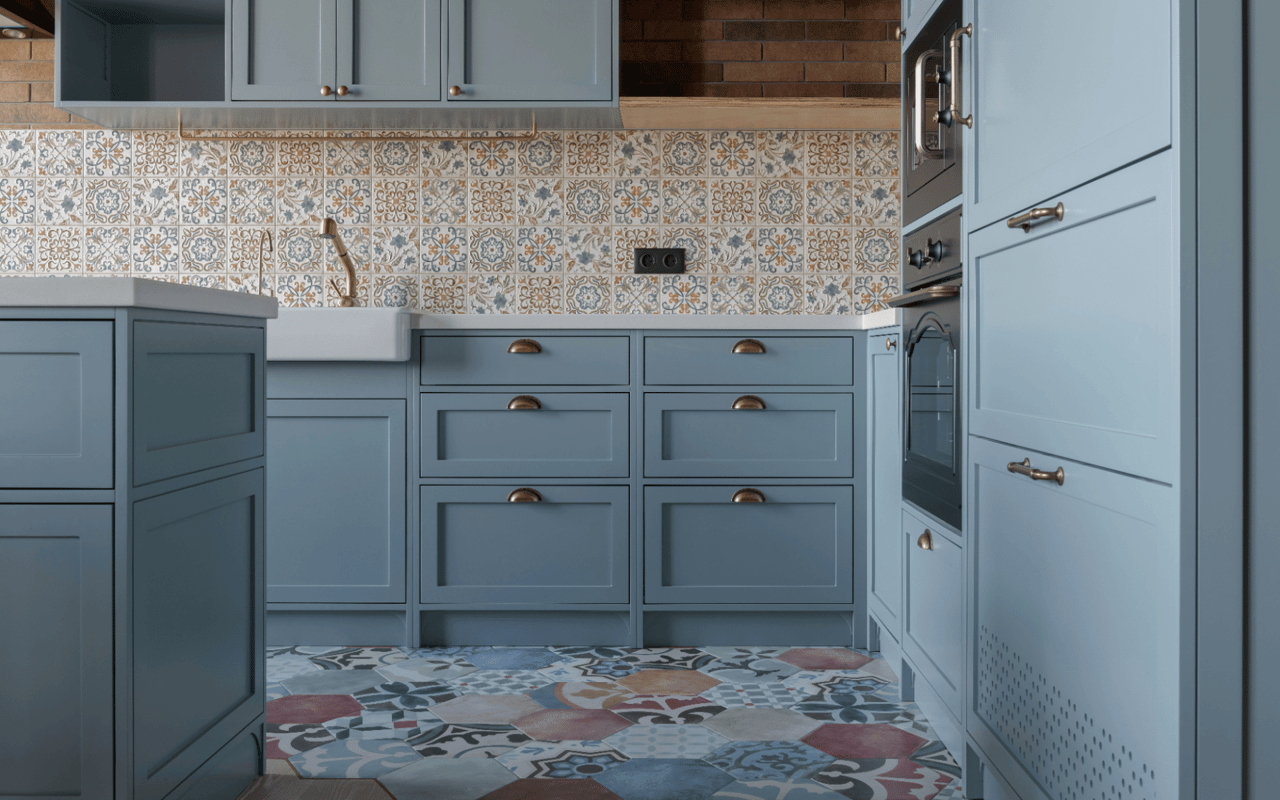
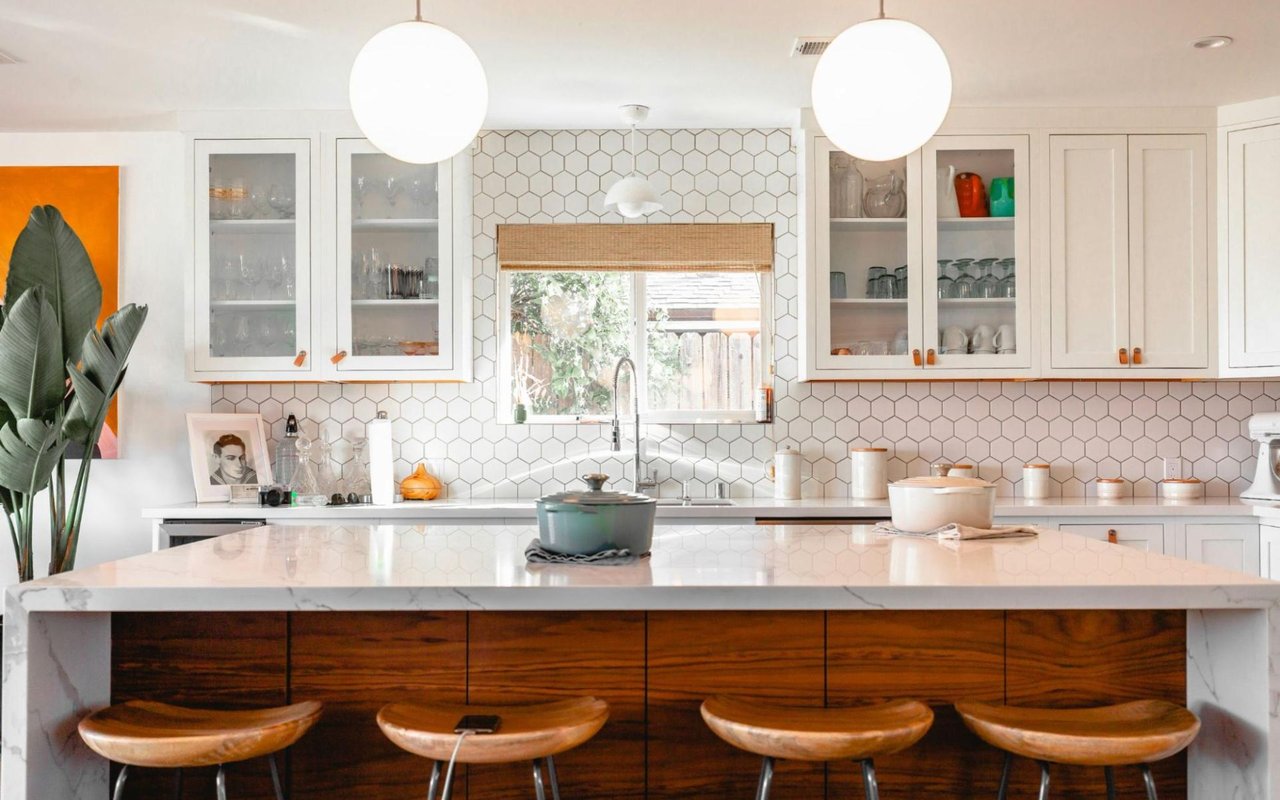
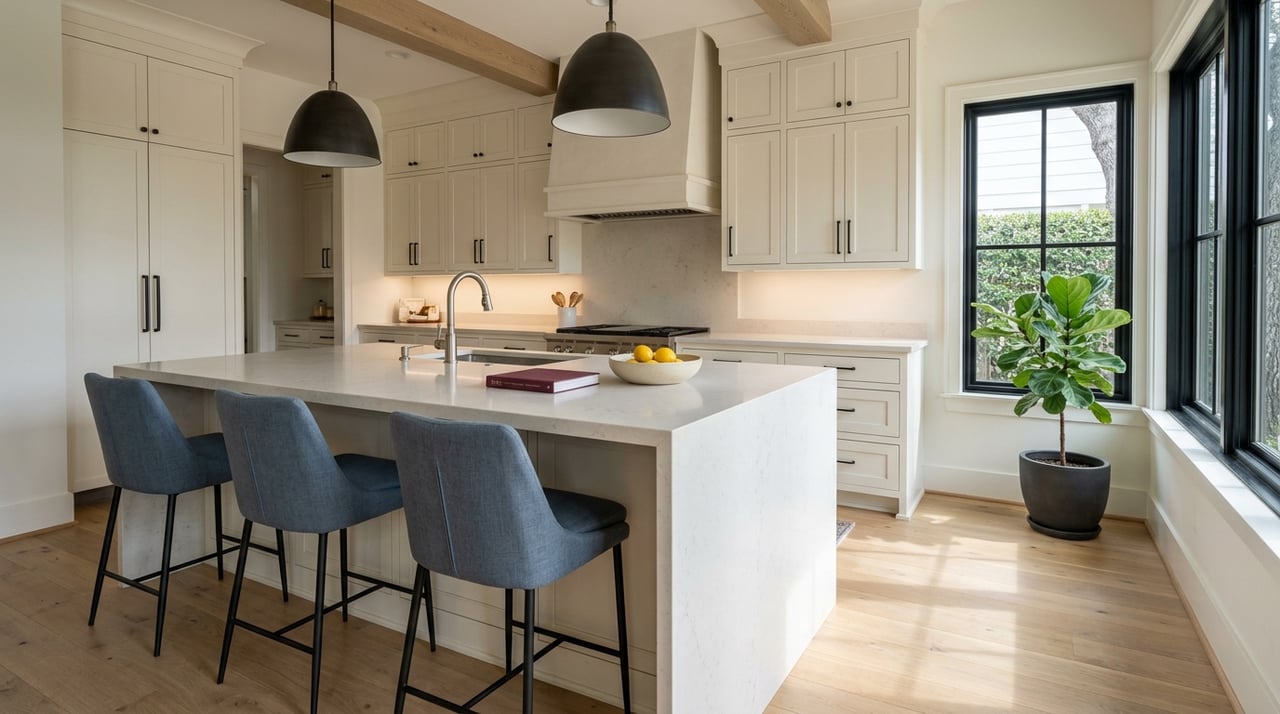
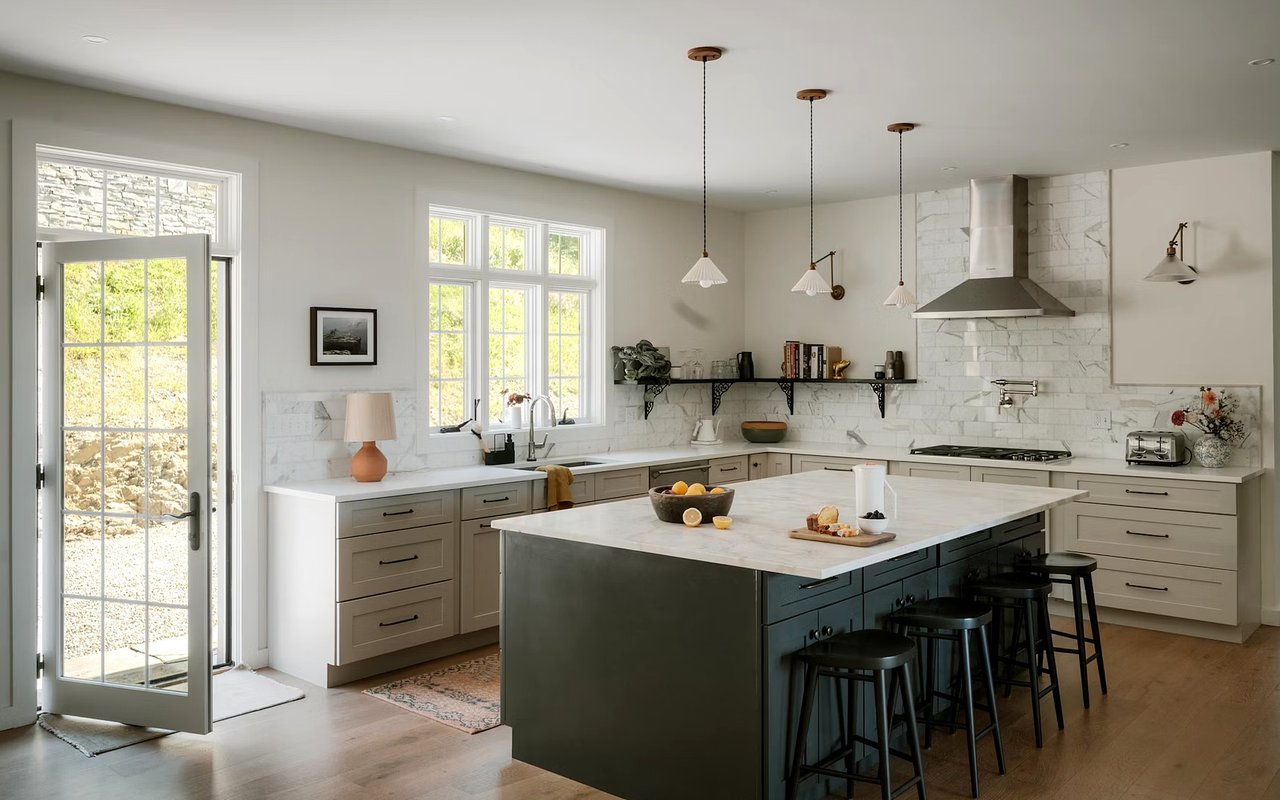
While major upgrades—such as remodeled kitchens, new roofs, and updated bathrooms—add measurable value, not every improvement offers a dollar-for-dollar return. When deciding how to price a house for sale, it’s important to distinguish between updates that increase a home’s value and those that simply make it more appealing. Features like premium appliances, smart home systems, or custom lighting can help your home stand out, but they should inform your pricing rather than inflate it past what the market will reasonably support. The goal is to account for what enhances desirability without overpricing due to personal taste or emotional attachment.
Understanding Buyer Psychology
Today’s buyers have tools that allow them to instantly compare your home’s price to similar properties, giving them strong expectations of value. When your price aligns with those expectations, it builds trust and encourages showings. If it doesn’t, your listing may be overlooked, even if the home itself is appealing. Strategic pricing also taps into psychological thresholds—for example, pricing at $499,000 instead of $505,000 expands your visibility to buyers searching under $500,000. Understanding how buyers think helps ensure that your home reaches the widest pool of qualified, motivated prospects.
Avoiding Common Pricing Mistakes
One of the biggest mistakes sellers make is allowing emotion to dictate price. While your home holds personal significance, buyers focus solely on value. Another common error is assuming you should leave “room to negotiate.” In reality, overpriced homes often receive fewer offers and ultimately sell for less than competitively priced ones. Additionally, relying on outdated information—like a previous appraisal or market conditions from six months ago—can lead to mispricing. Staying objective and basing decisions on current data helps you avoid these pitfalls and keeps your listing strong.
Monitoring Activity After Listing
A smart pricing strategy doesn’t stop once your home hits the market. The first two weeks are especially crucial, as this is when buyers and agents will determine whether your price matches your home’s value. Strong showing activity, multiple inquiries, and positive feedback all signal that your price is resonating. If activity is slow or feedback suggests buyers see better value elsewhere, adjusting early can prevent your listing from becoming stagnant. Monitoring online views, saved-list counts, and comparable new listings also helps ensure your strategy stays relevant as the market evolves.
Partnering With a Expert Real Estate Professional
An experienced real estate professional brings expertise, insights, and tools that go far beyond what automated valuations or online searches can offer. They know how to interpret market data, evaluate home features realistically, and design a pricing strategy tailored specifically to your goals. They also provide valuable marketing, negotiation, and communication skills that ensure your home is positioned competitively from the moment it’s listed. Working with a trusted agent helps maximize your results while minimizing stress throughout the process.
The Smart Home Pricing Advantage
Pricing your home correctly in today’s market isn’t about choosing the highest number—it’s about selecting the most strategic one. By combining market knowledge, buyer psychology, comparative data, and a clear understanding of your home’s strengths, you create a powerful advantage that helps your property stand out. Whether the goal is a fast sale, top-dollar offers, or a smooth transaction, the right price sets the tone for everything that follows and ensures you’re positioned for success in any market environment.
Partner With Trusted Experts for Your Next Move
If you’re thinking about selling your home or want guidance on navigating today’s competitive market, we are here to help. K.E. and Amy at the Berry Boyd Group specialize in strategic pricing, strong marketing, and expert negotiation to help you achieve your real estate goals. Whether you're exploring houses for sale in Argyle or preparing your home to shine among local listings, our experience and market knowledge ensure you always move forward with clarity and confidence.