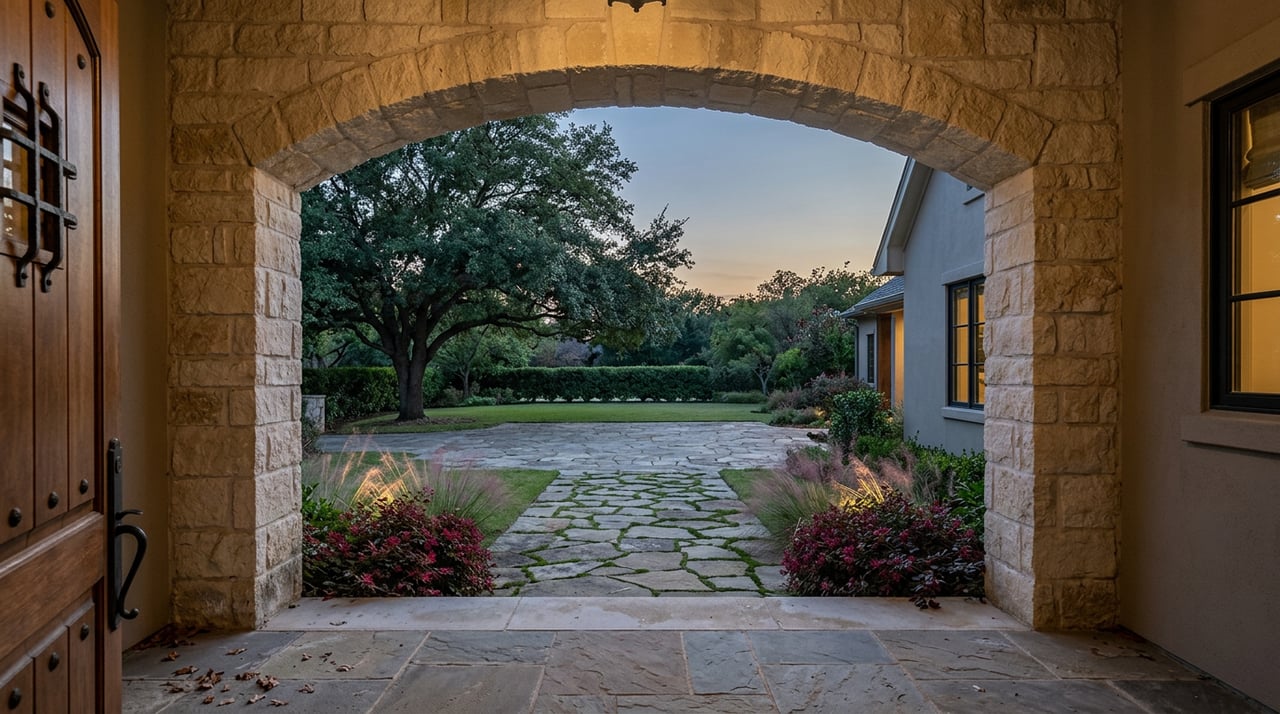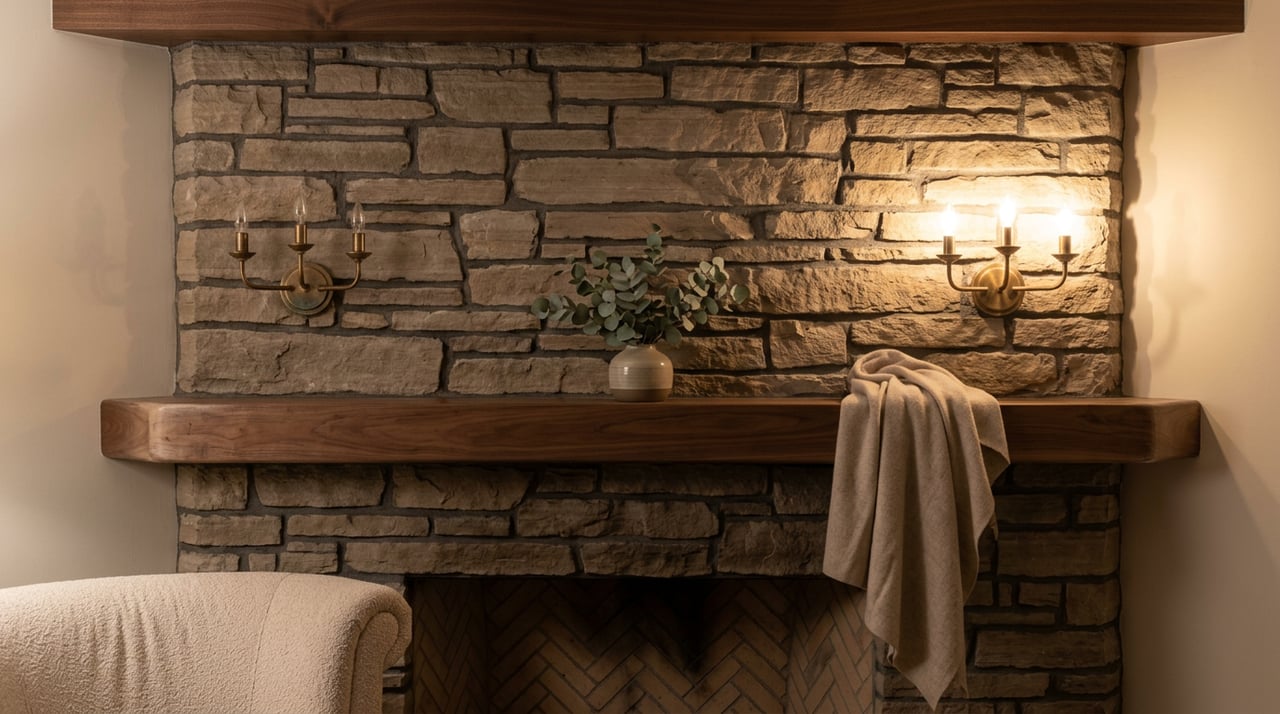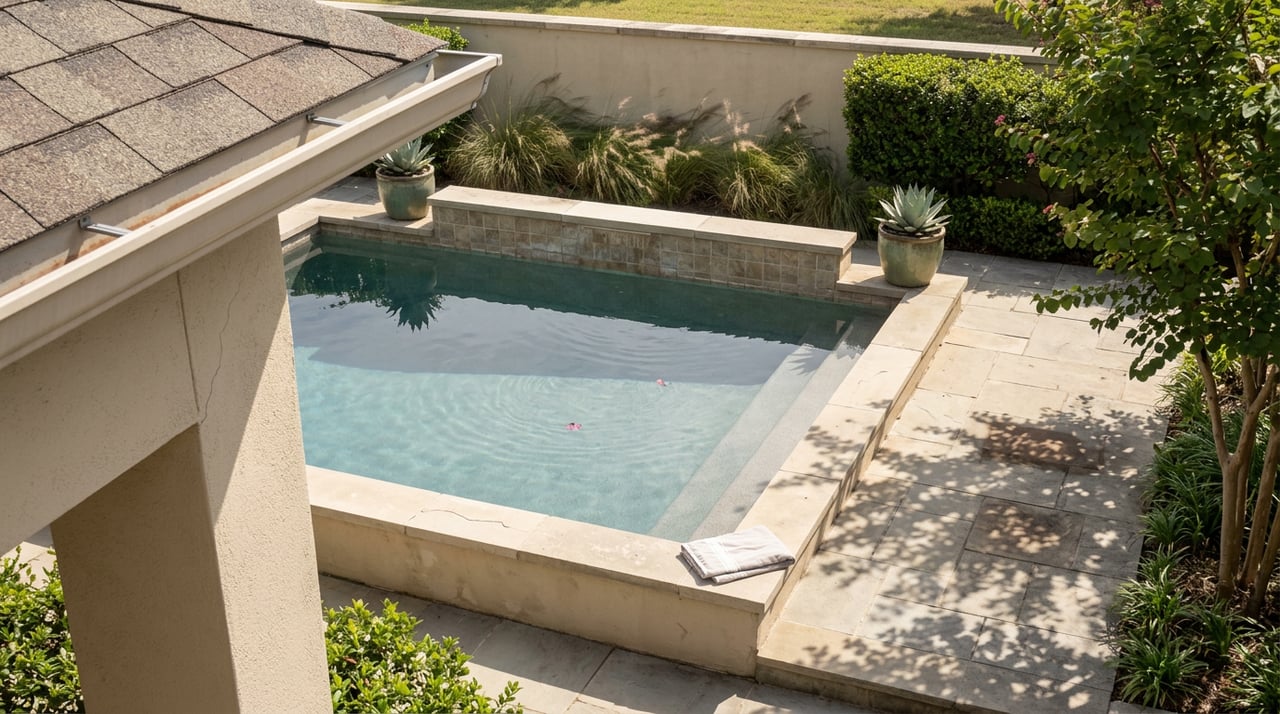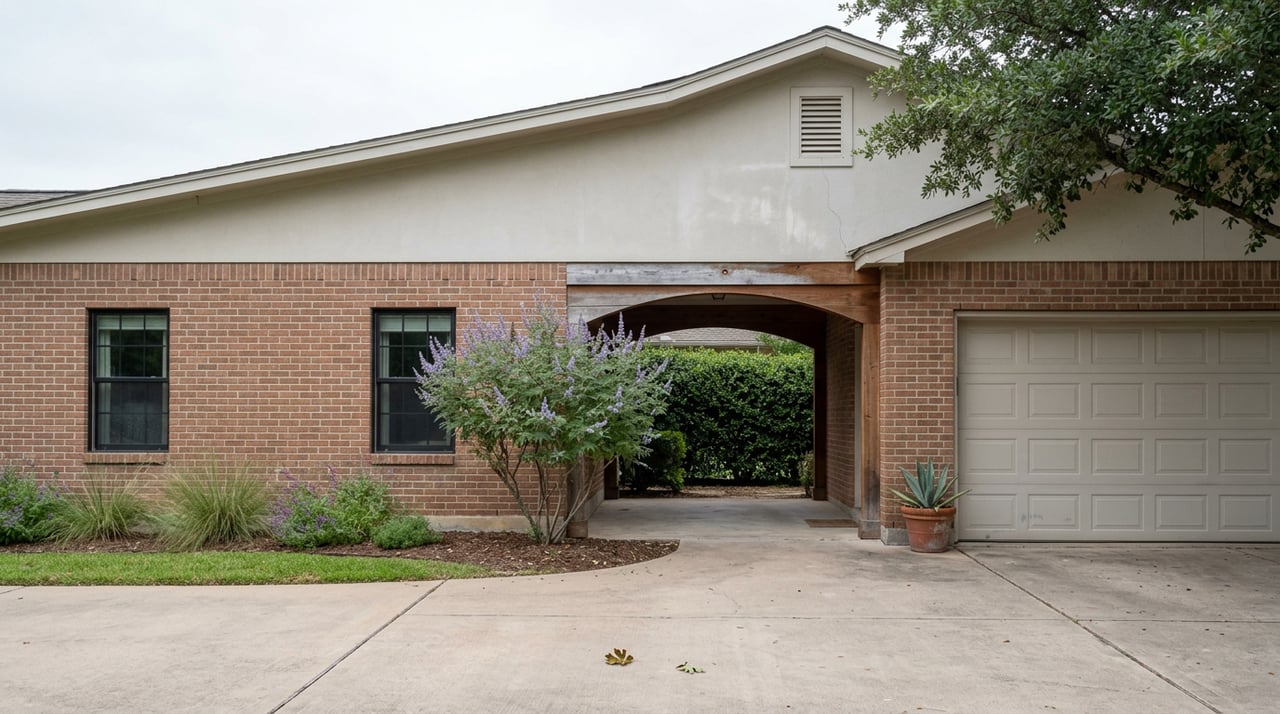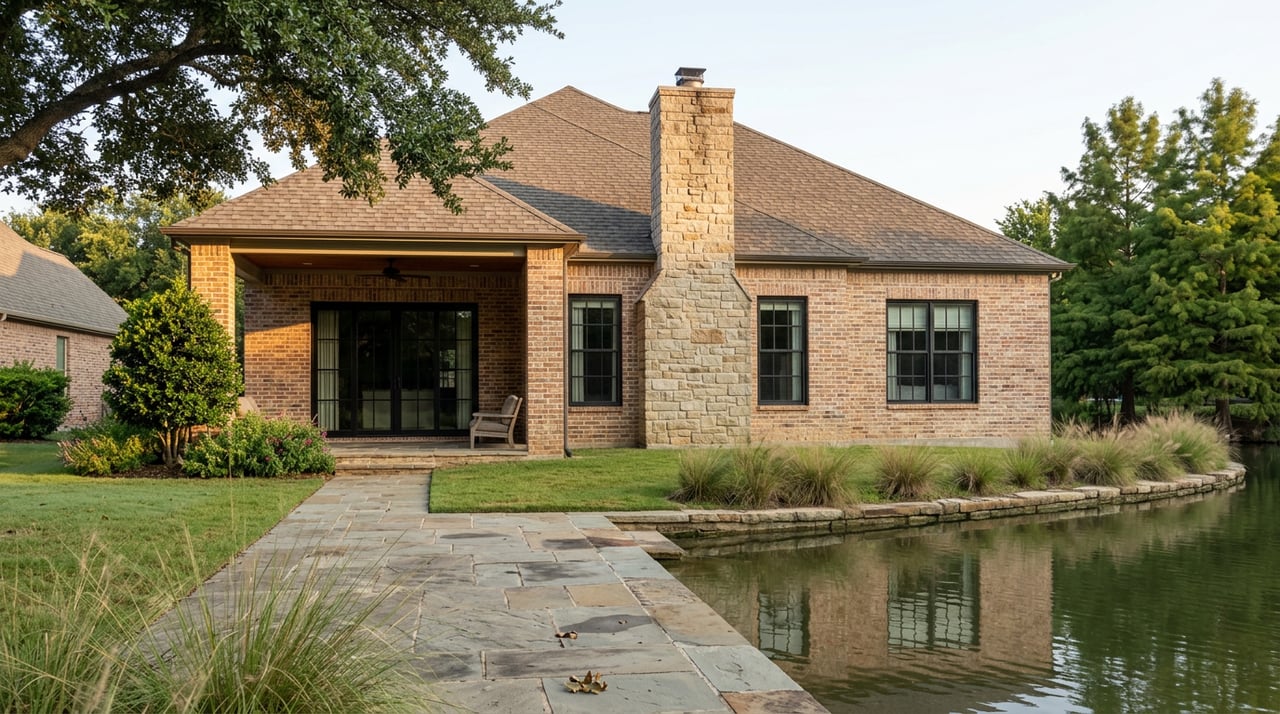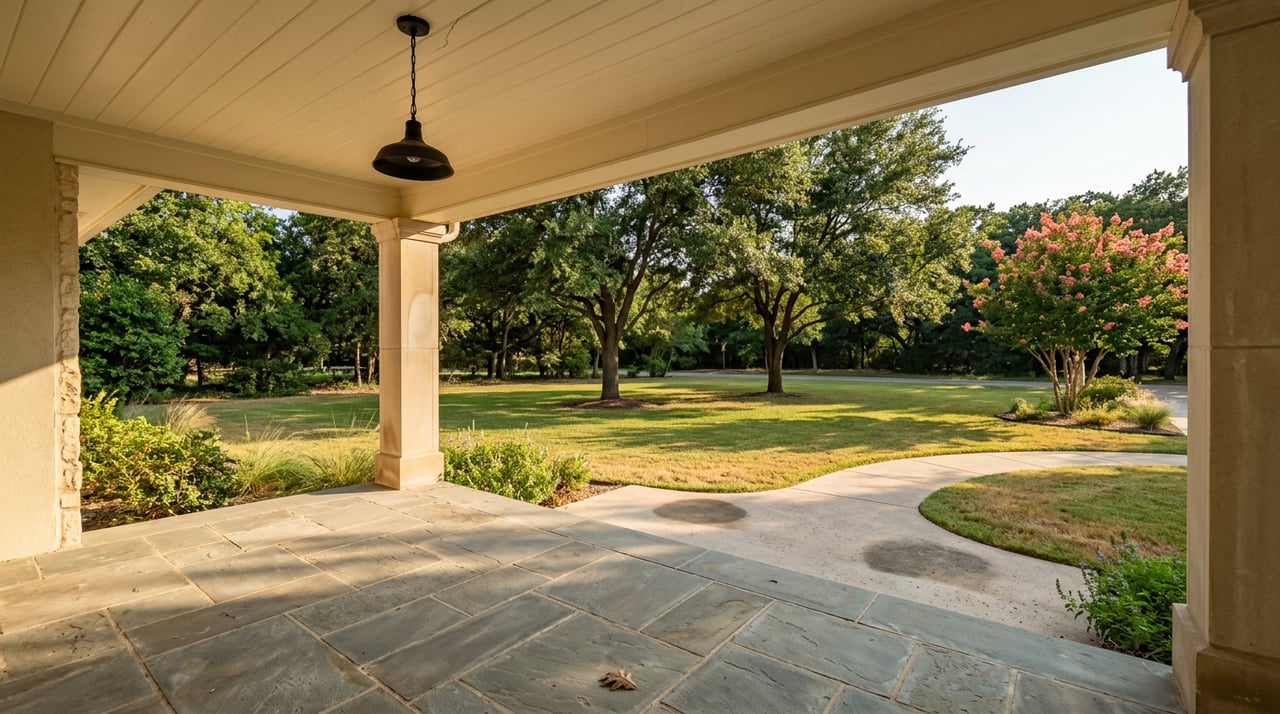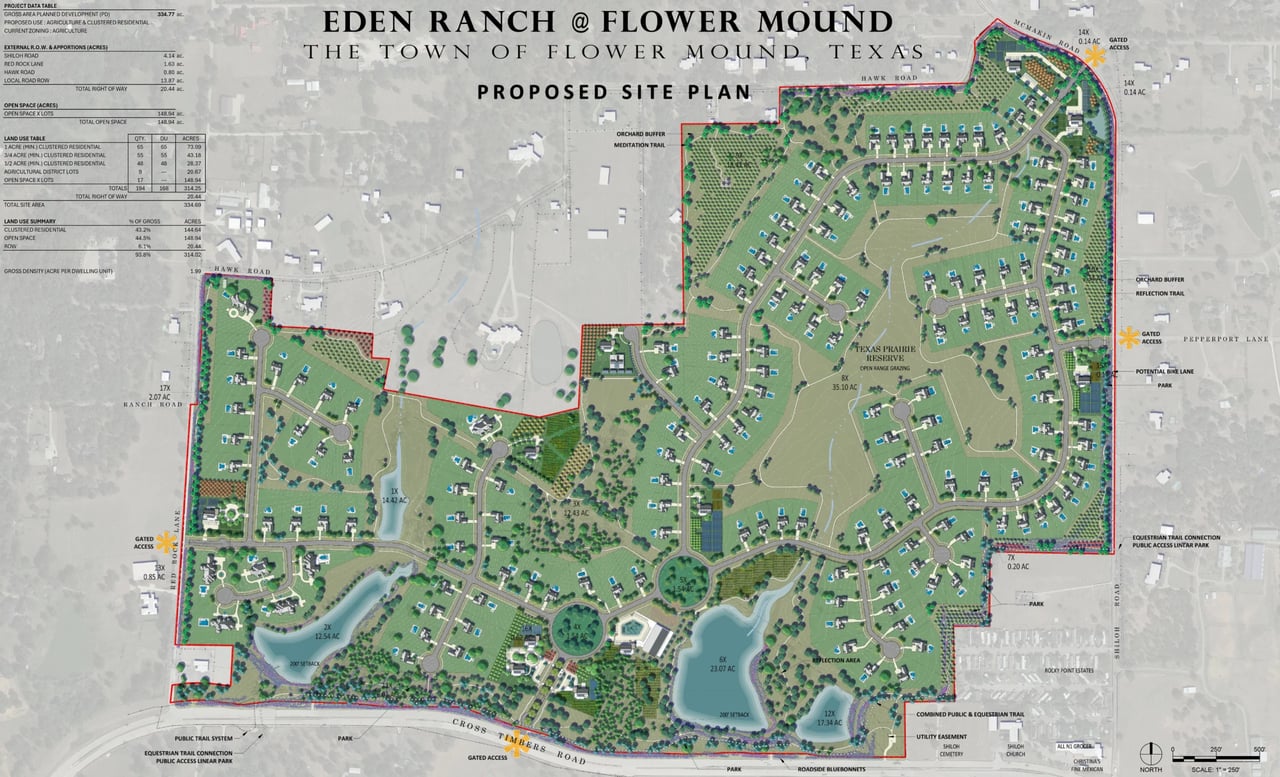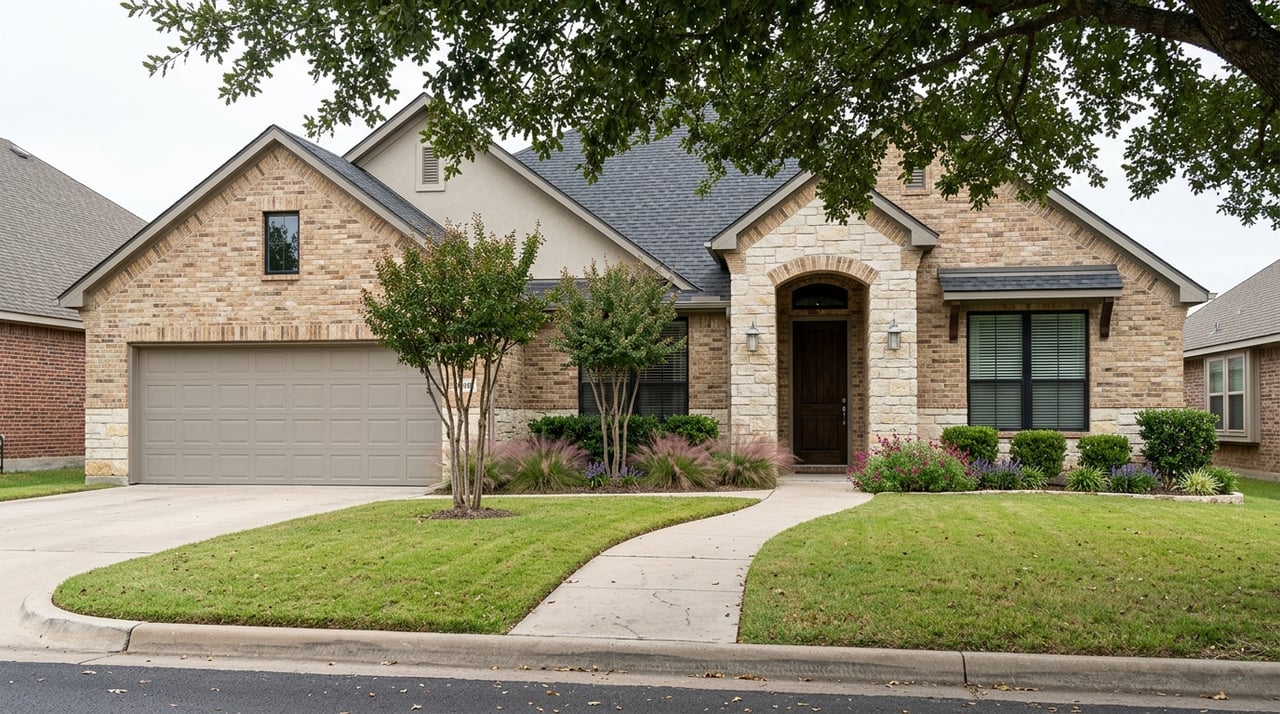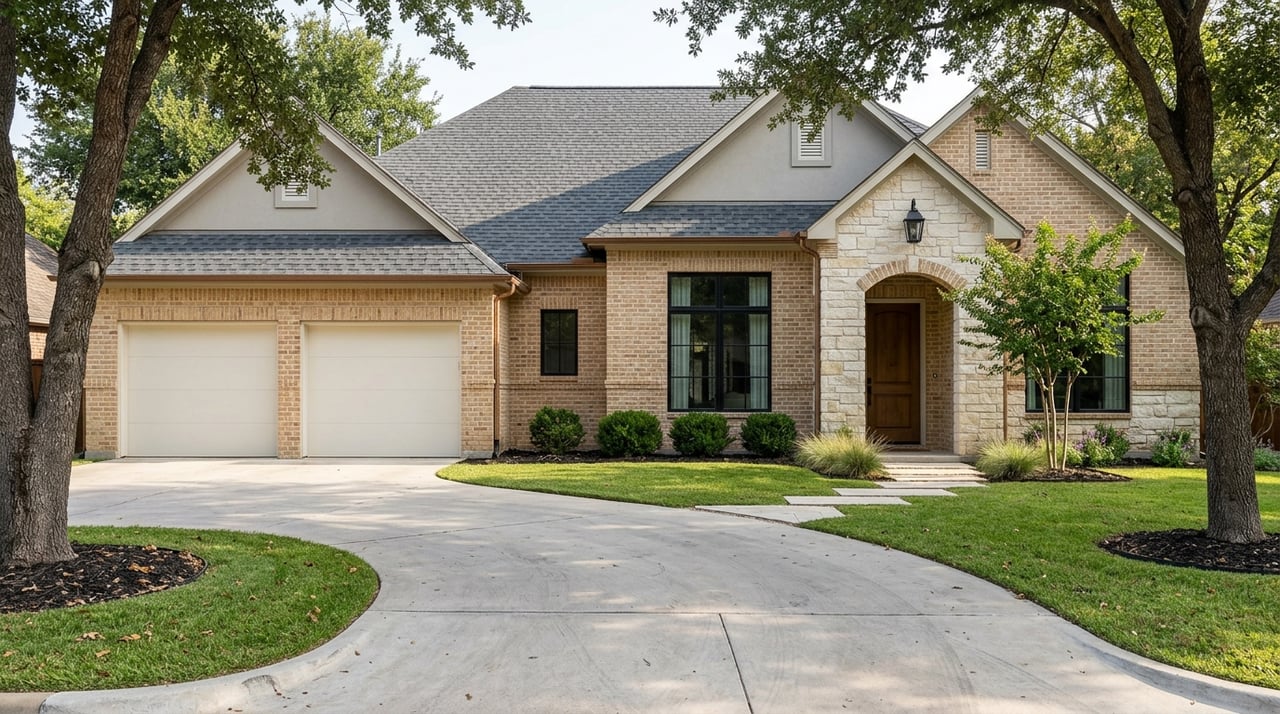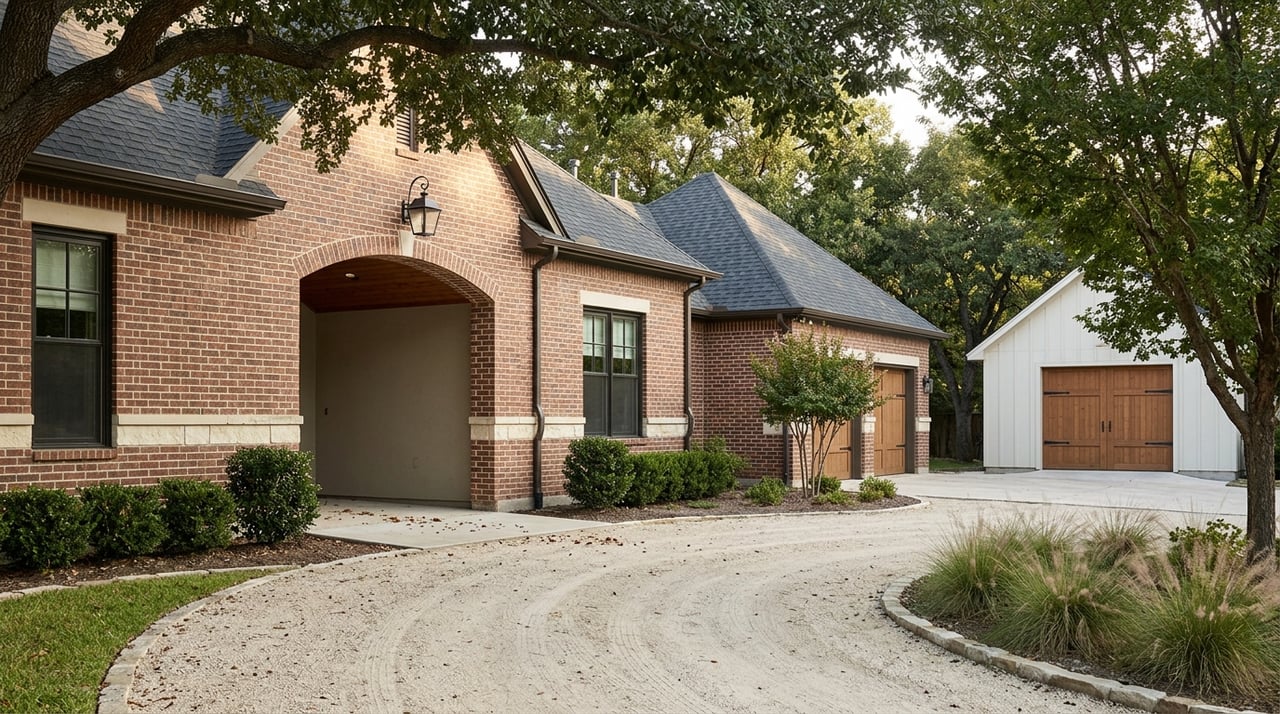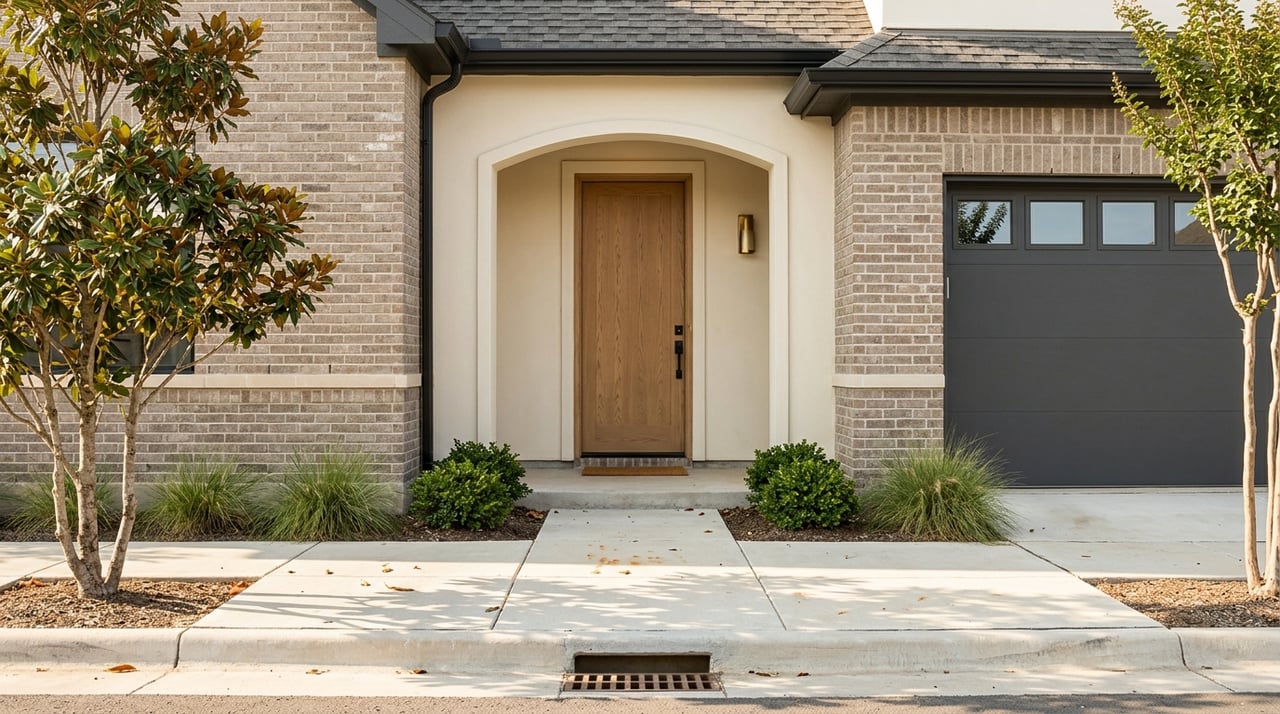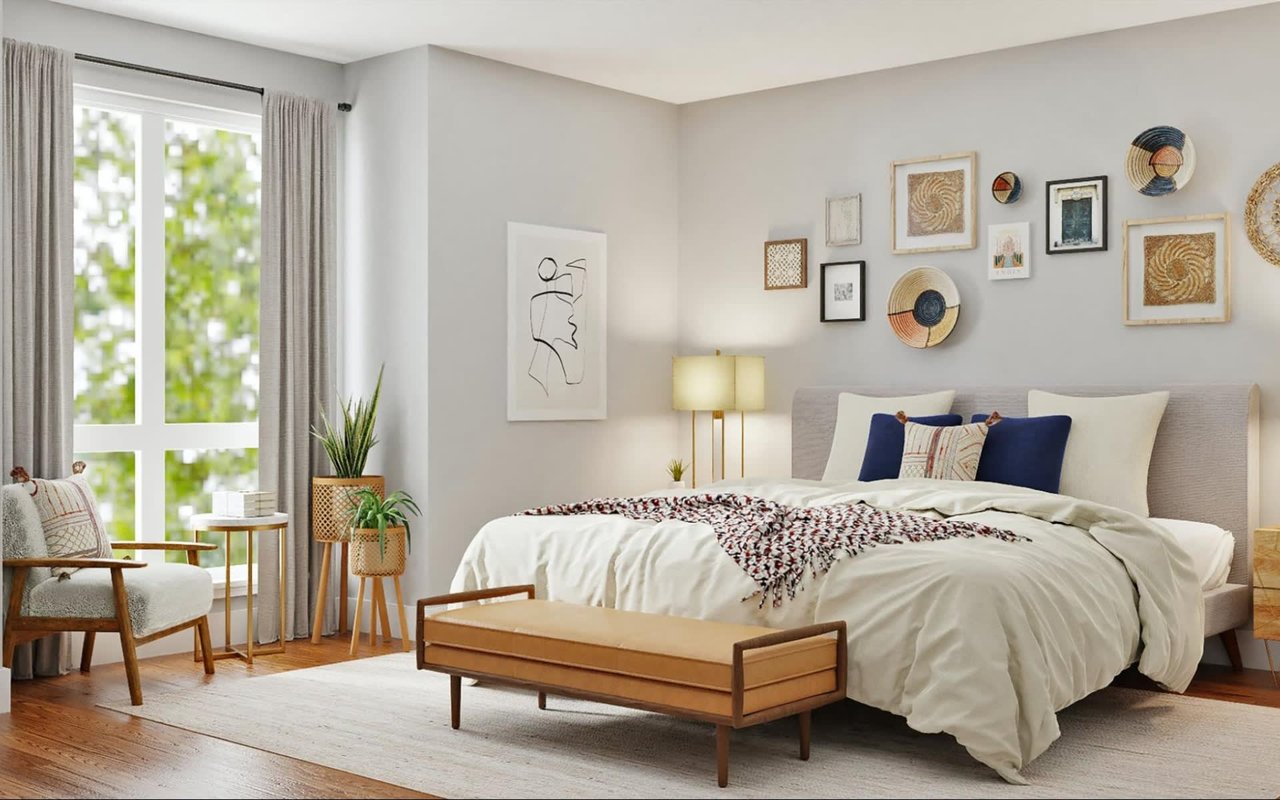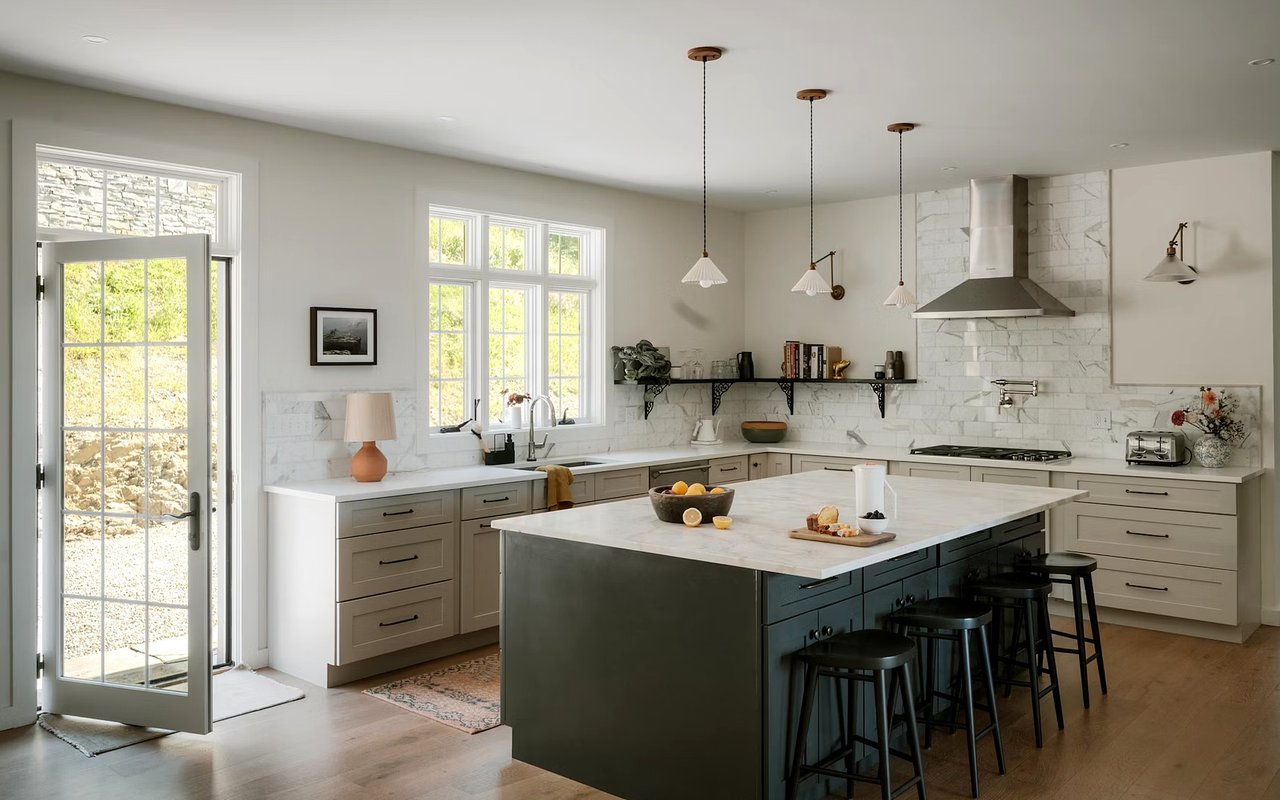
When browsing listings for houses for sale in Flower Mound or anywhere else, one question inevitably arises: does the age of a home significantly impact its market value? This is a common concern for buyers and sellers alike, especially in communities where historic charm and modern convenience collide. From quaint century-old cottages to sleek new builds, homes of every era offer distinct advantages and drawbacks. But how exactly does home age influence market value, and what should potential buyers or sellers consider when evaluating older versus newer properties? Let's break down the connection between a property's age and its place in today’s real estate market.
The Lifecycle of a Home: An Overview
Every home goes through a natural life cycle that starts with high desirability when it’s newly built and typically peaks in value during its early years. Over time, wear and tear, outdated features, and shifting neighborhood dynamics begin to influence a home's worth. However, age alone doesn't dictate market value. The upkeep, renovations, and historical relevance of a home can dramatically shape its desirability, meaning that even a century-old house could command a premium price if maintained or restored properly.
New Construction: Shiny, Modern, and Expensive
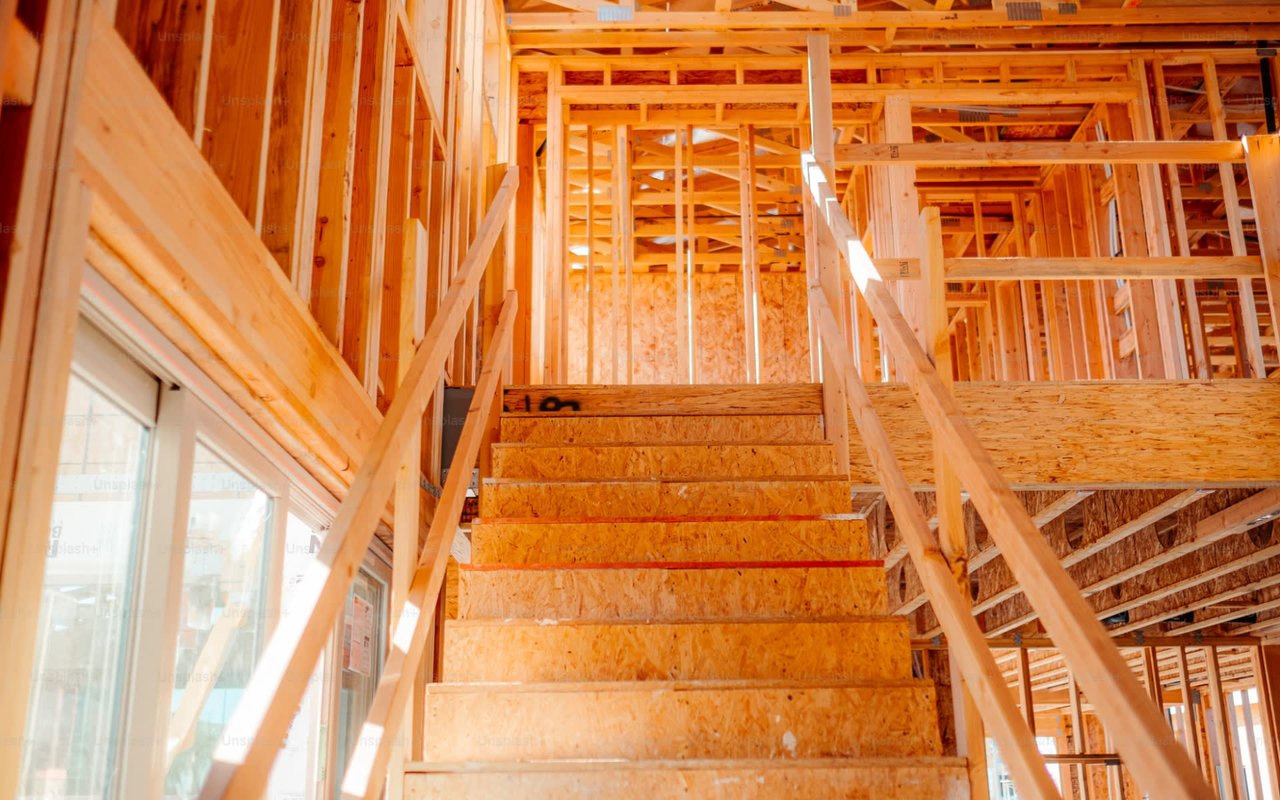
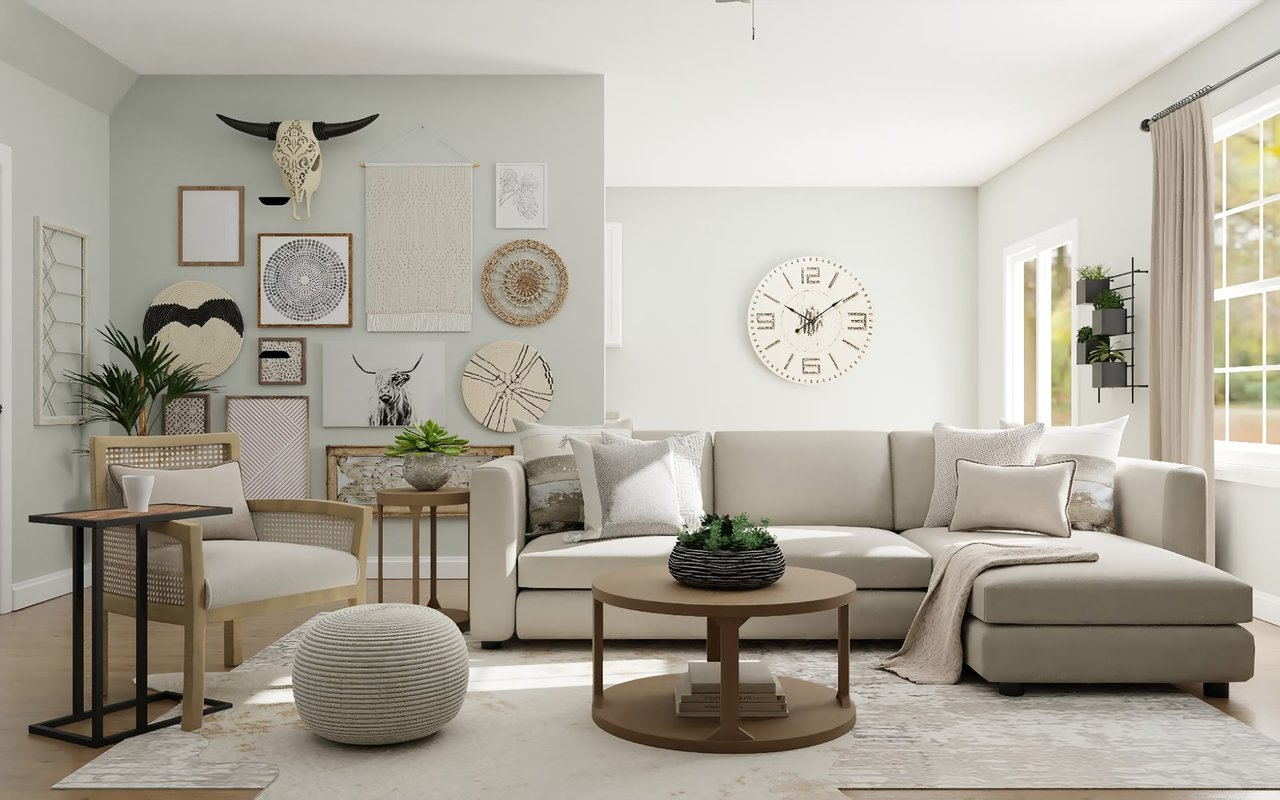
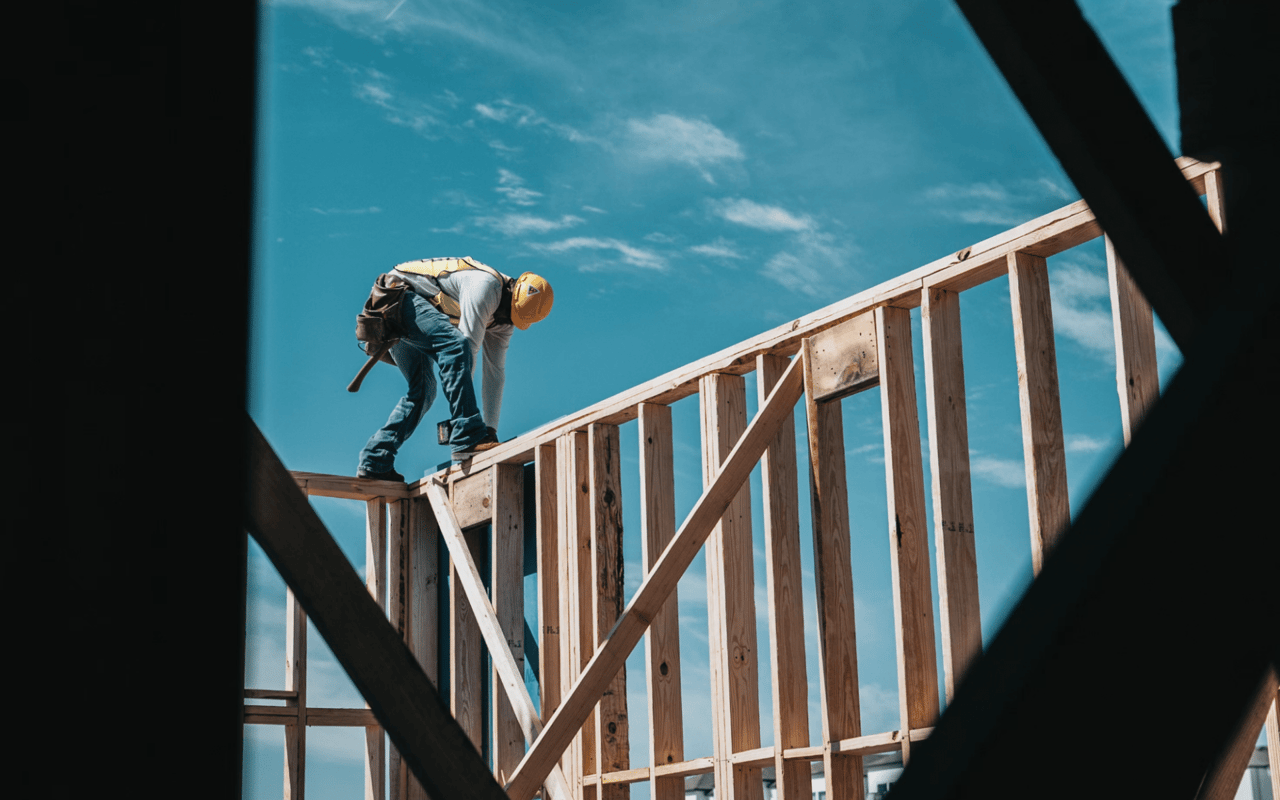
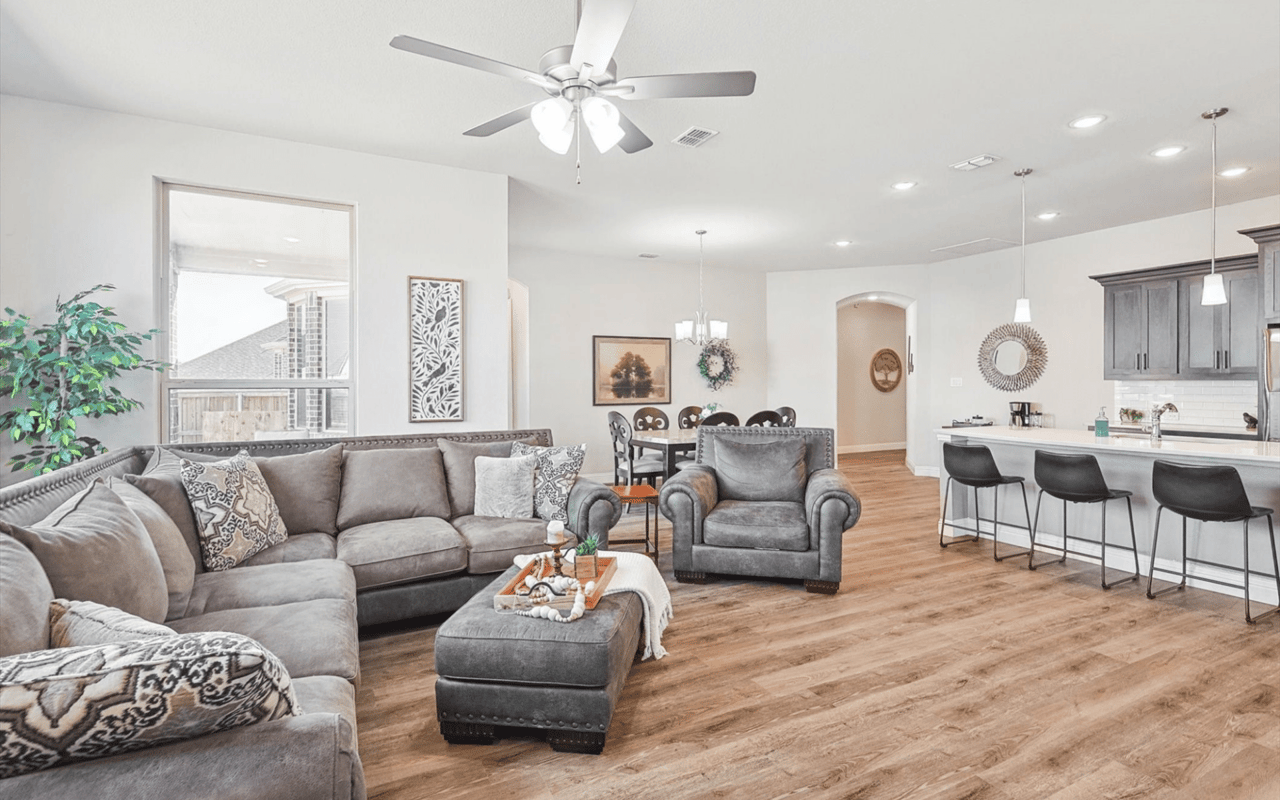
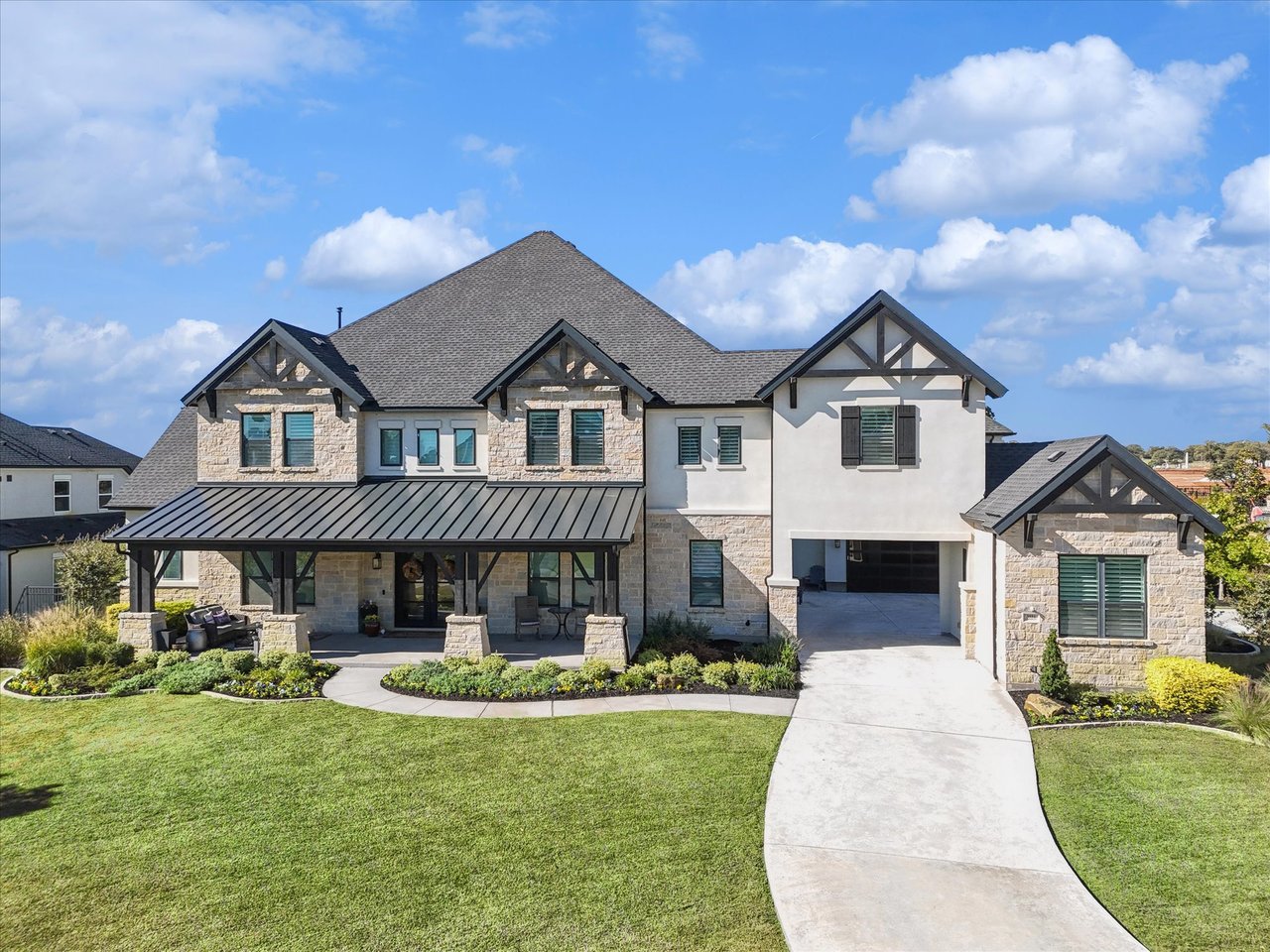
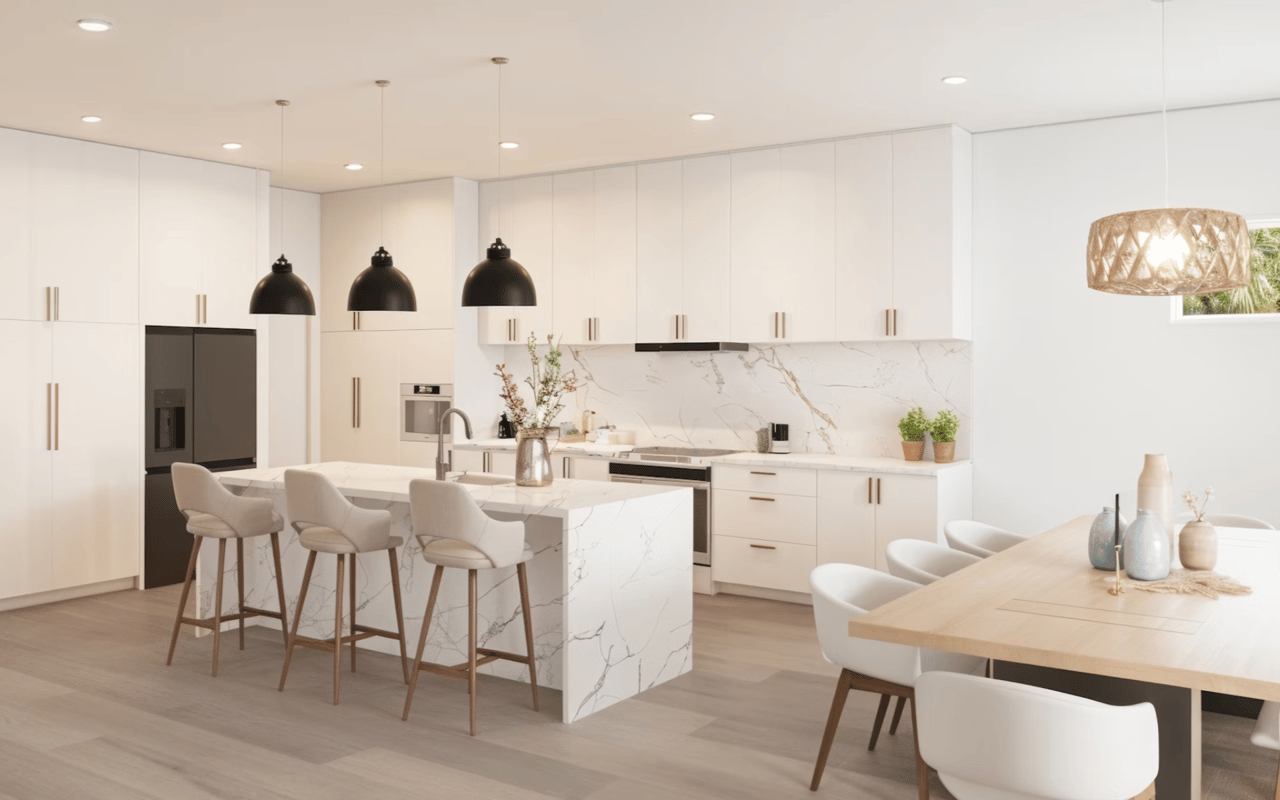
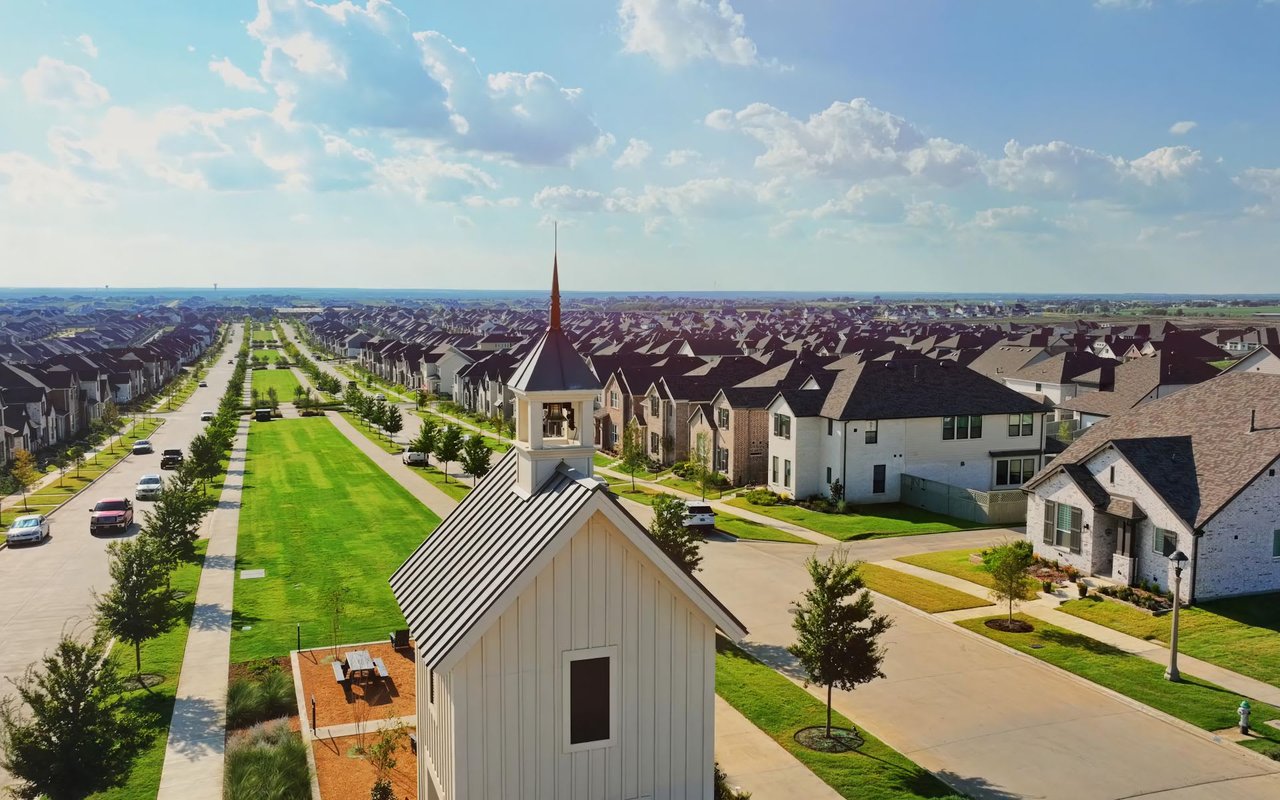
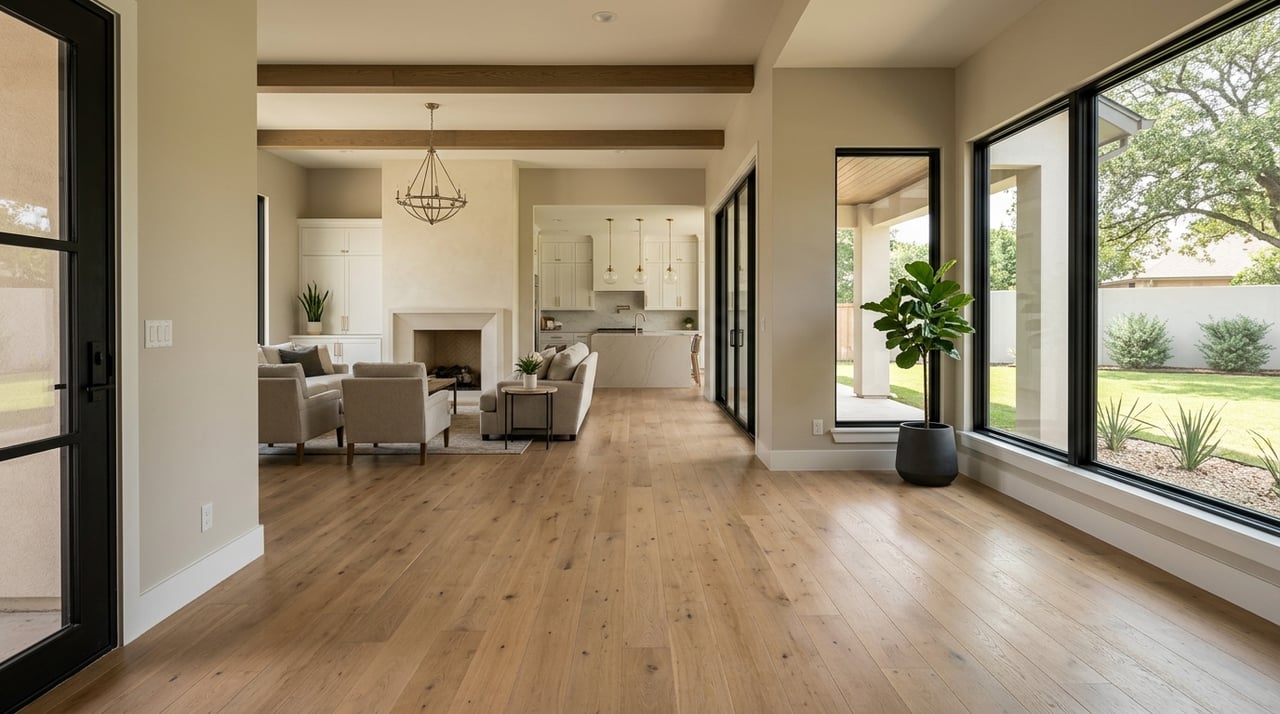
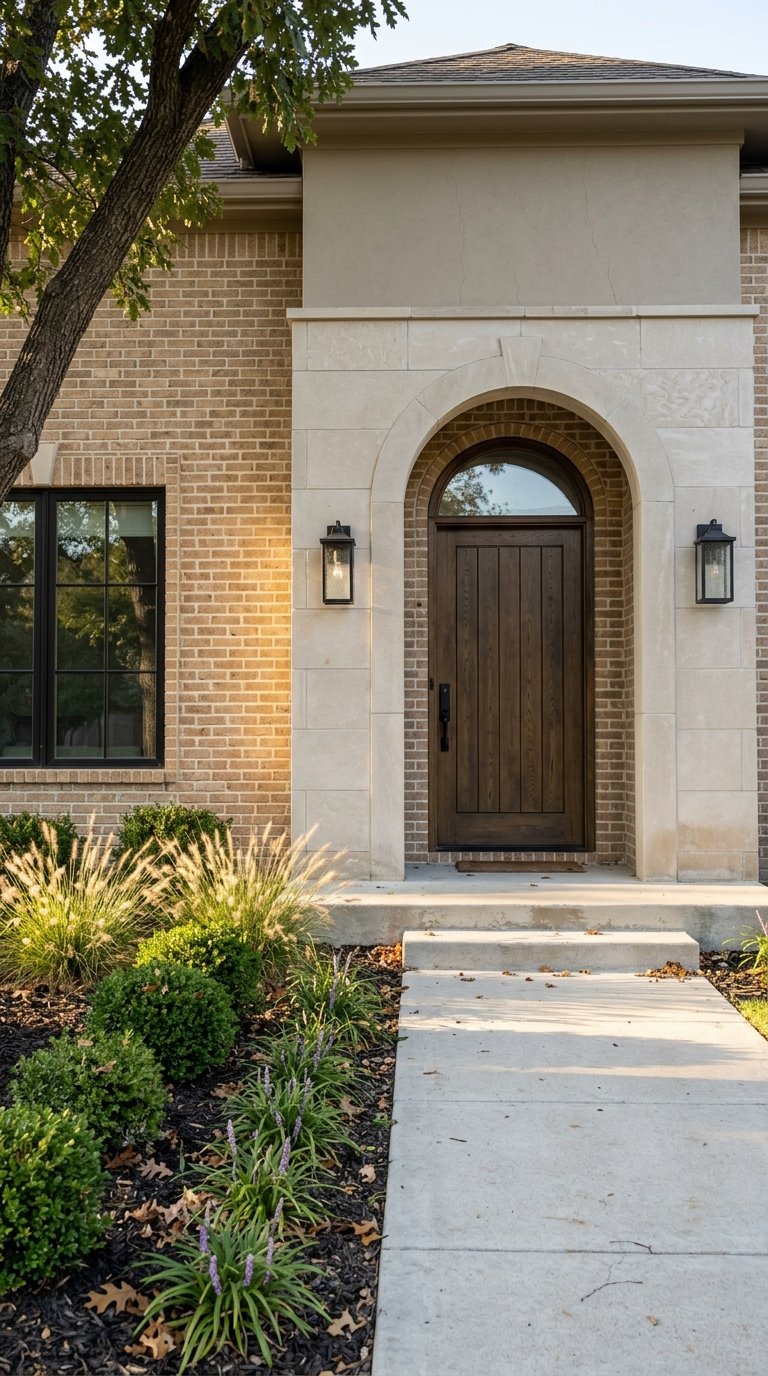
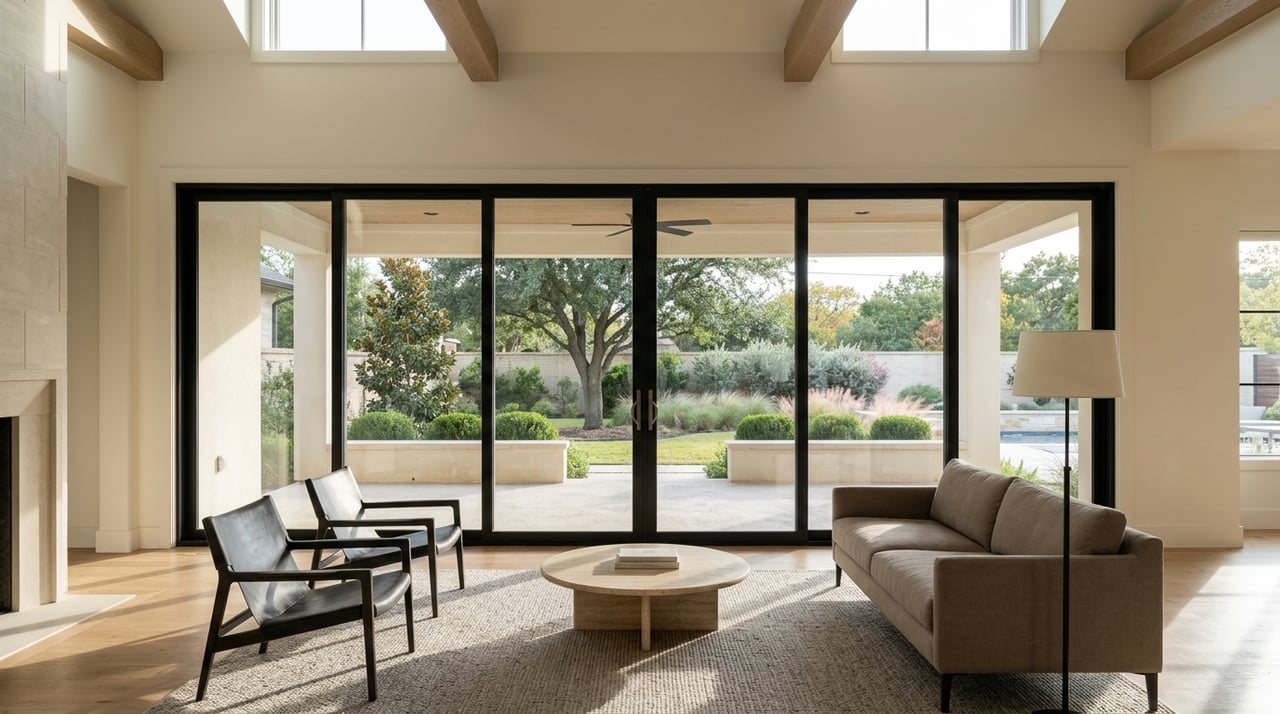
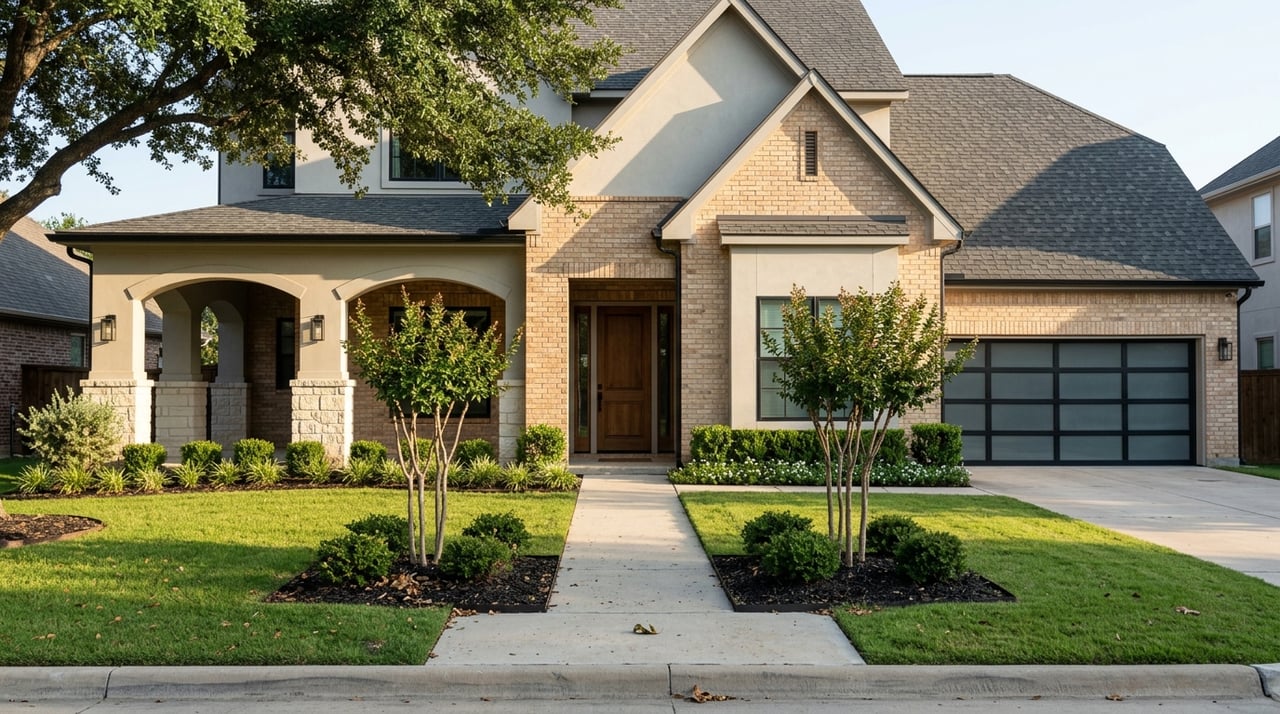
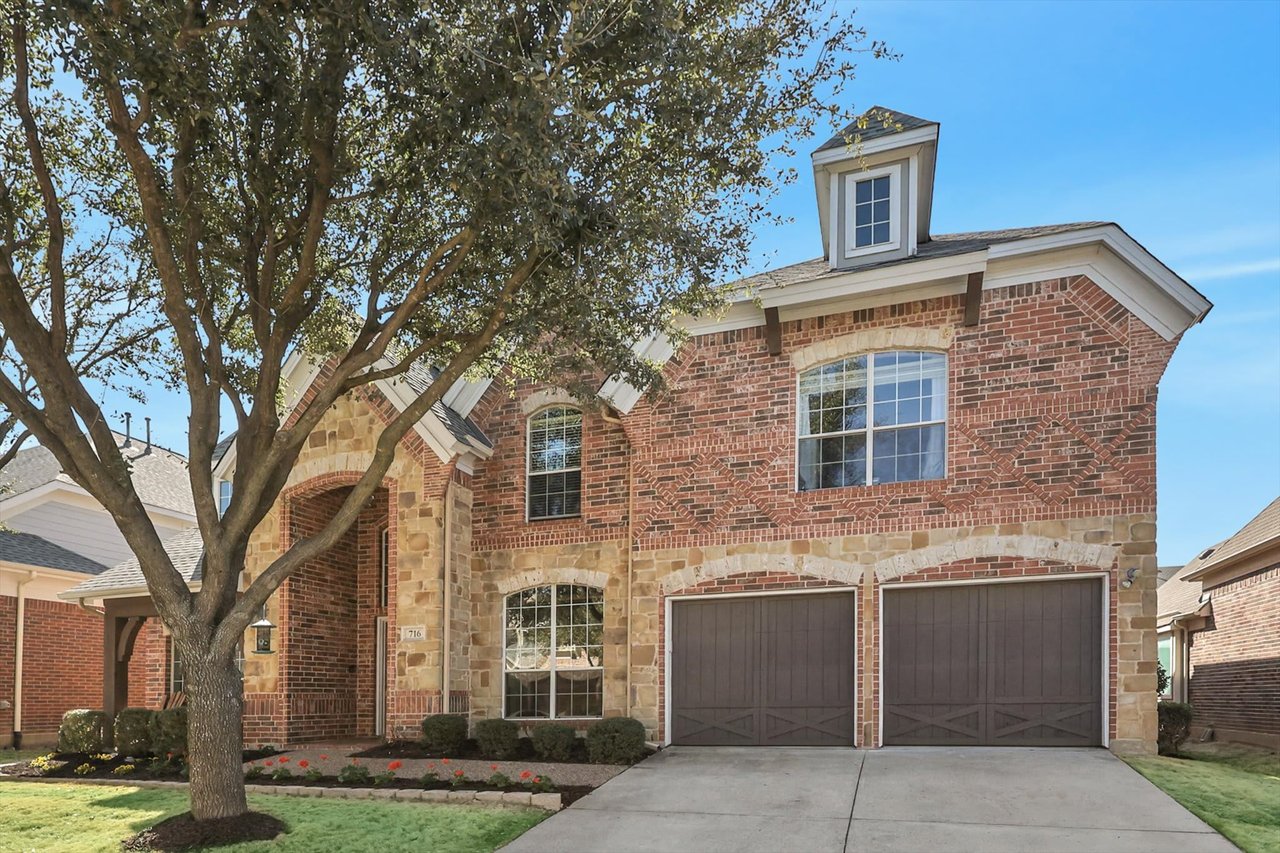
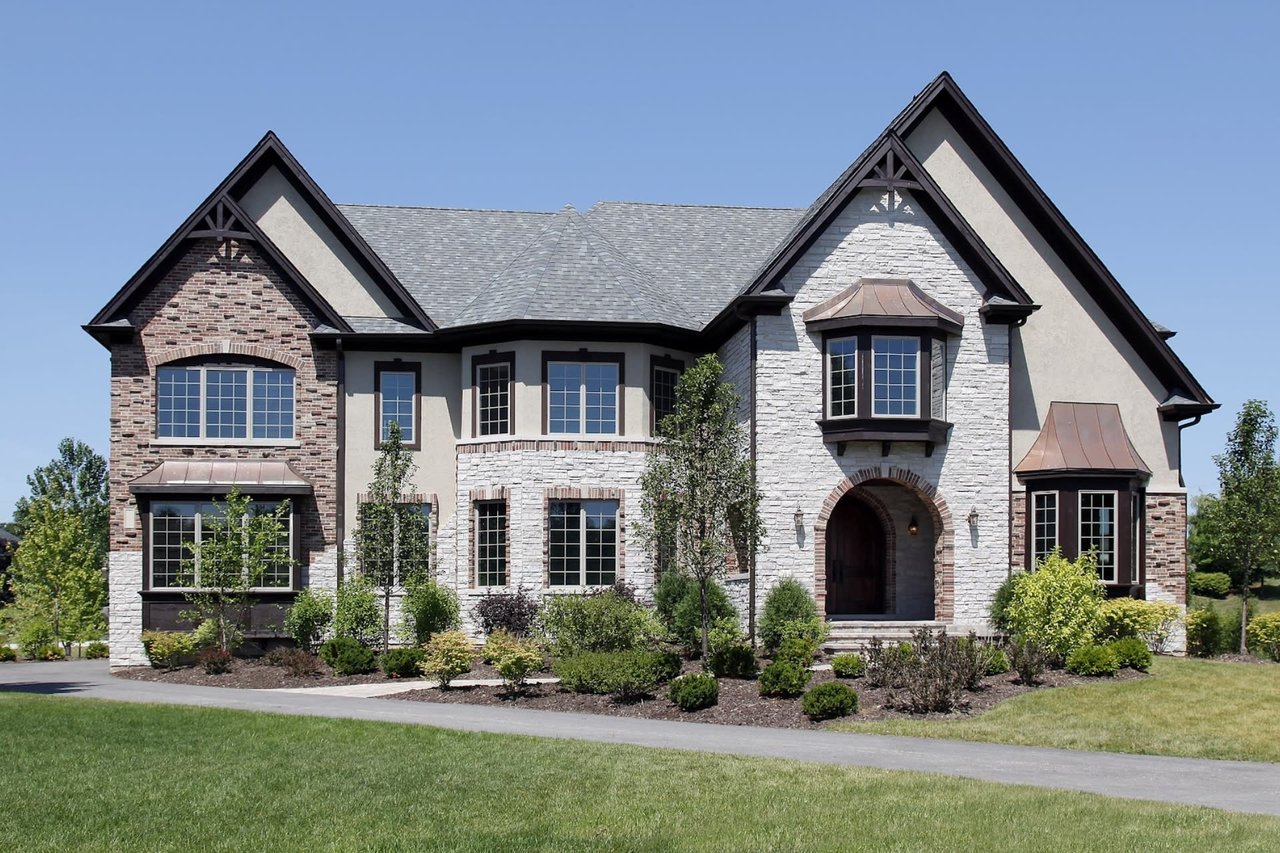
Buyers seeking houses for sale in Flower Mound often gravitate toward new construction due to modern layouts, energy-efficient systems, and low maintenance requirements. These homes typically command higher prices per square foot, offering open floor plans, smart home integrations, and compliance with the latest building codes. However, they may come at the cost of smaller lot sizes or less character, and their initial price often includes premiums for customization or developer markups.
Mid-Age Homes: The Real Estate Sweet Spot?
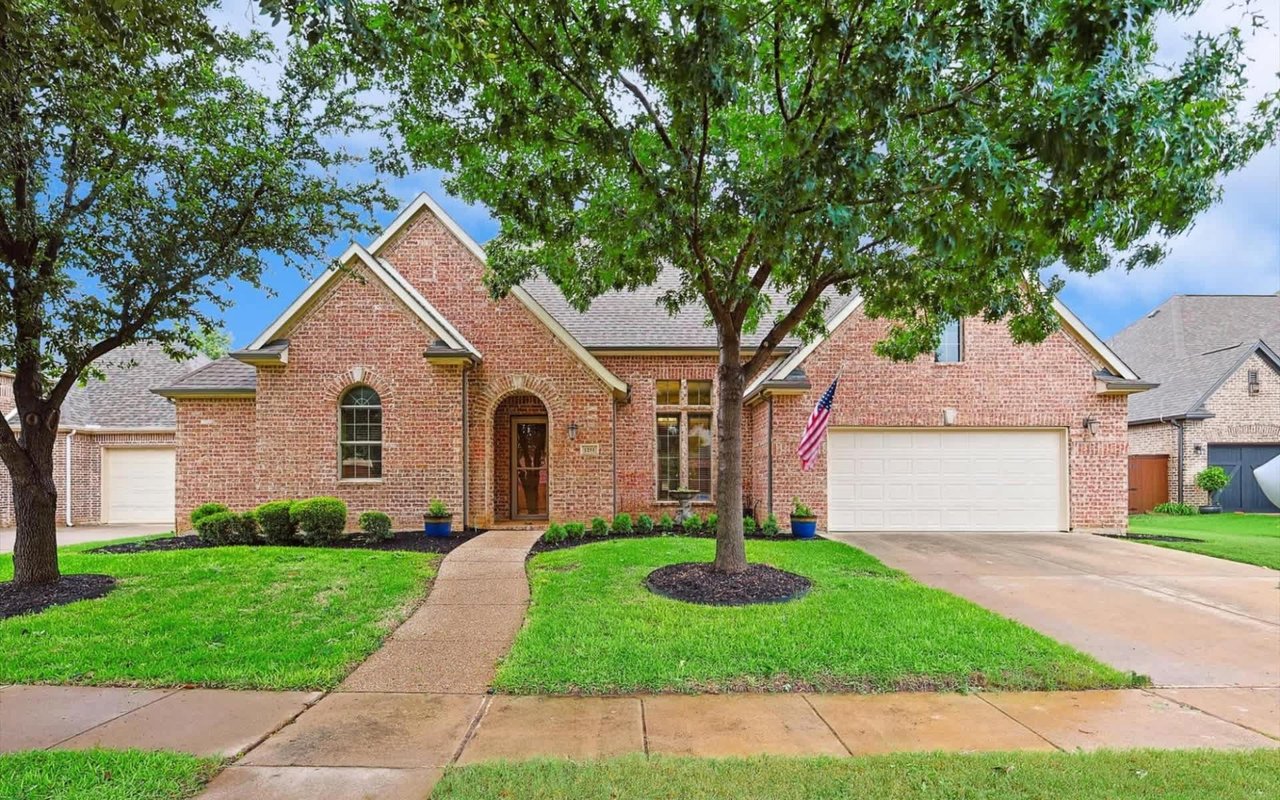
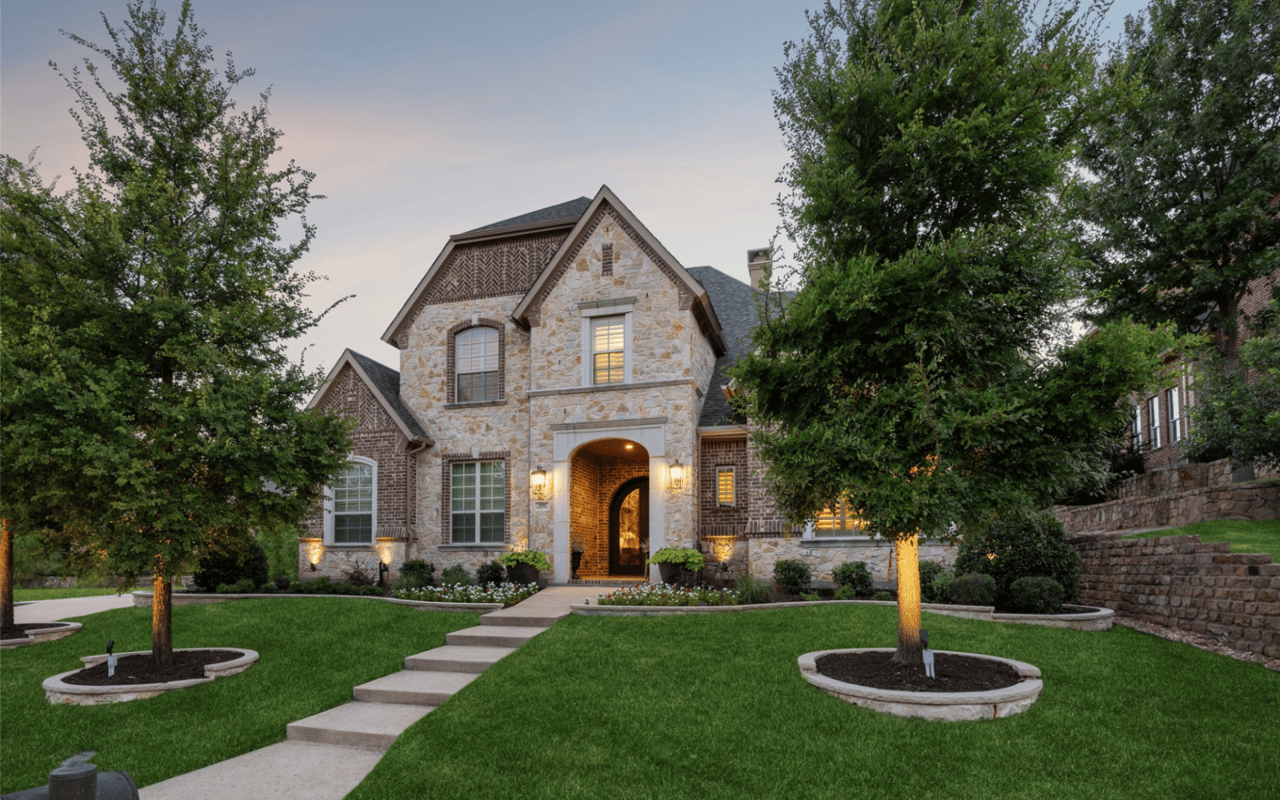
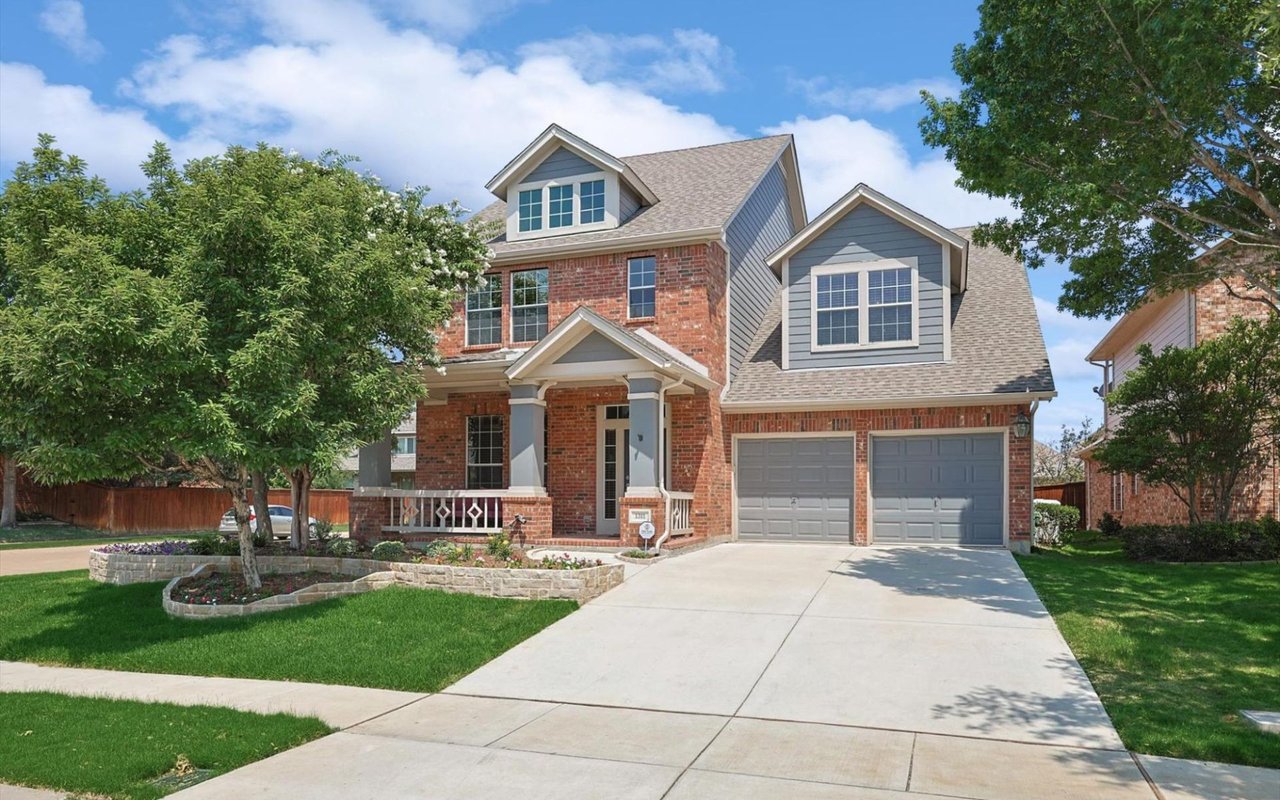
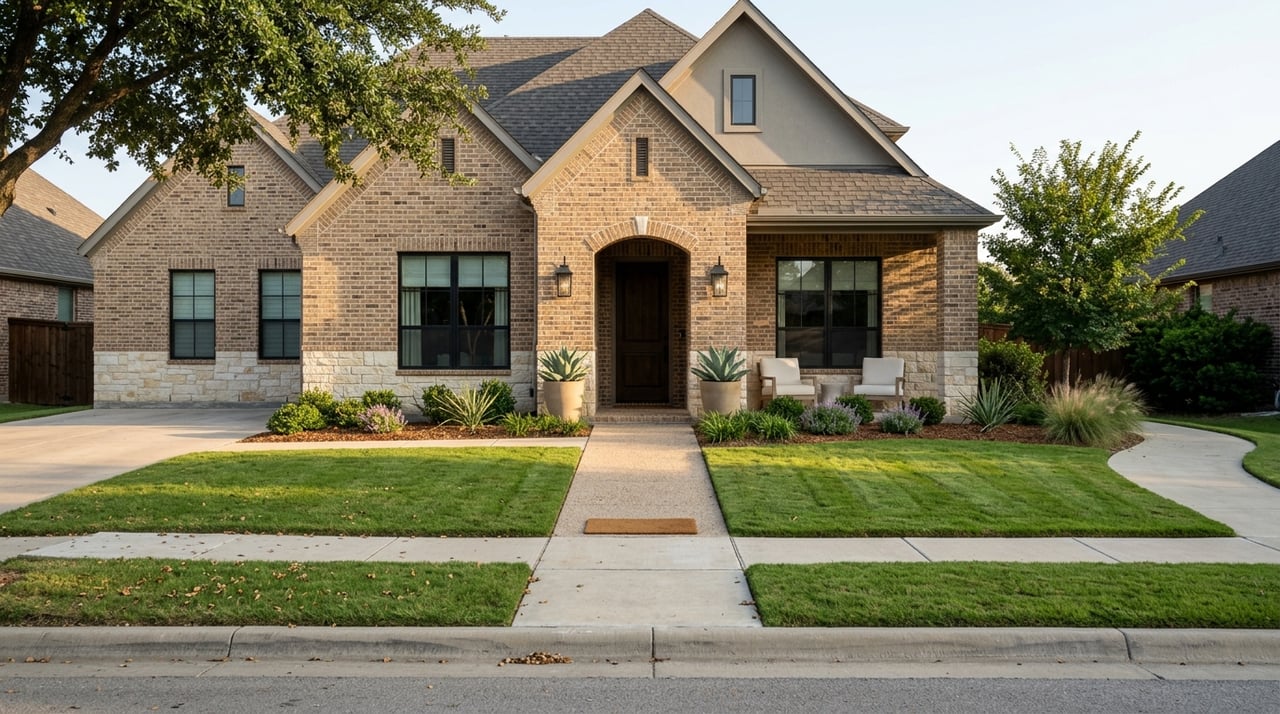
Homes built 10 to 30 years ago often strike a balance between affordability and reliability. These properties may offer more generous lot sizes than newer builds, along with established landscaping and mature trees. If well maintained, mid-age homes offer solid infrastructure and can be easily modernized with cosmetic upgrades. In competitive markets like Flower Mound, these homes can be especially attractive to buyers looking for quality construction without paying new-build premiums.
Old But Gold: The Charm and Challenge of Older Homes
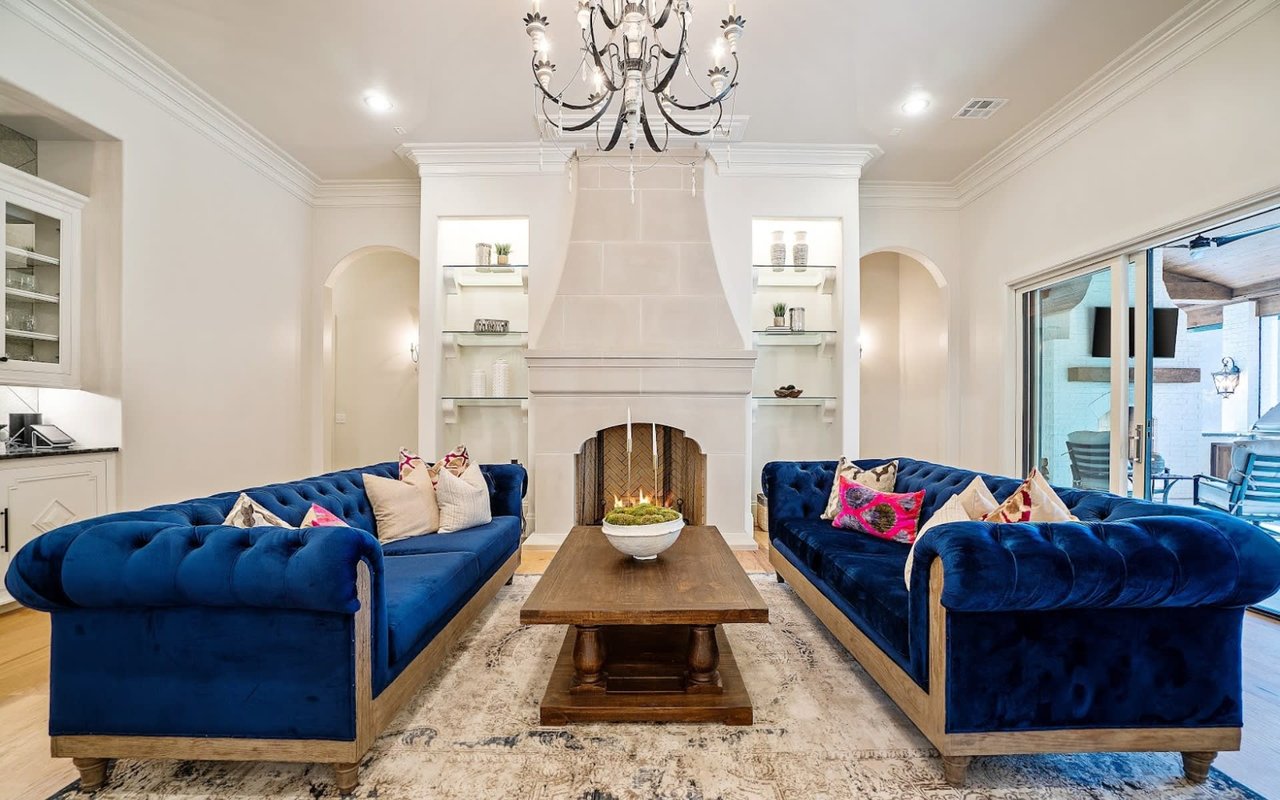
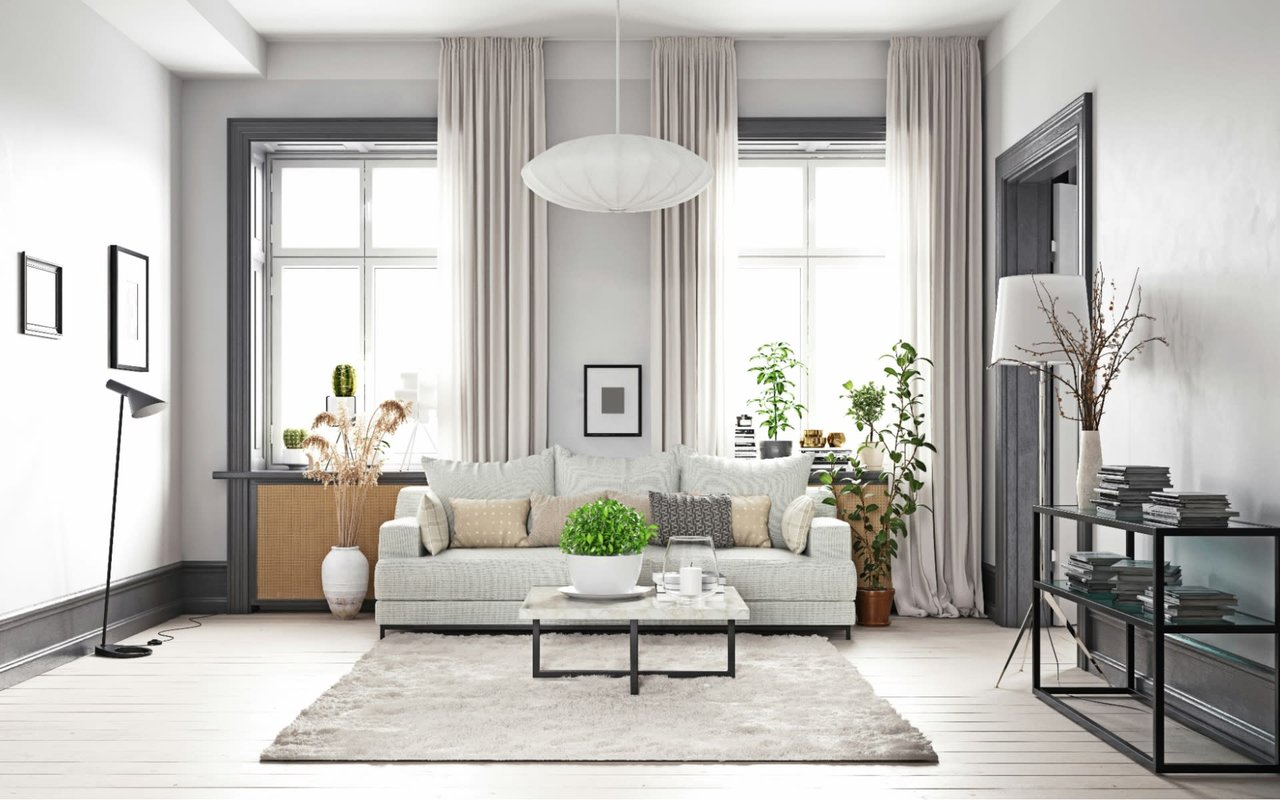
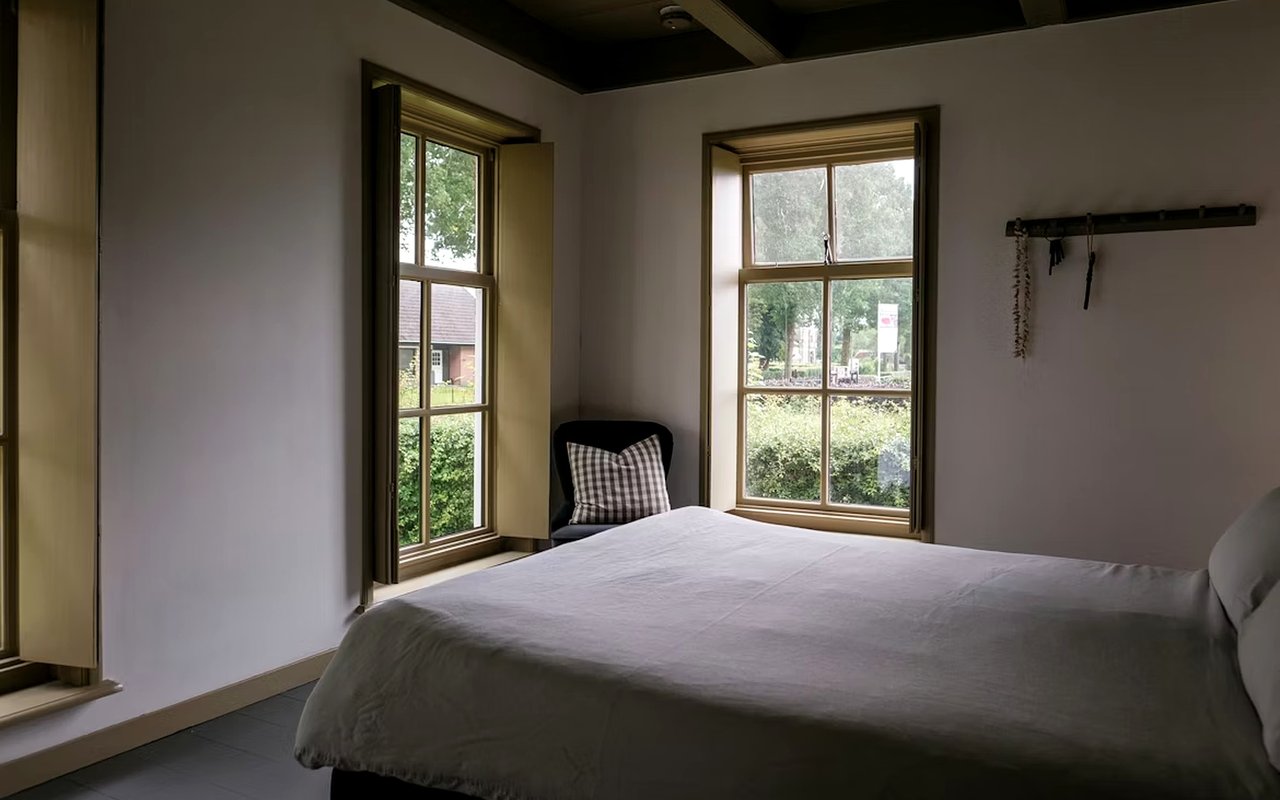
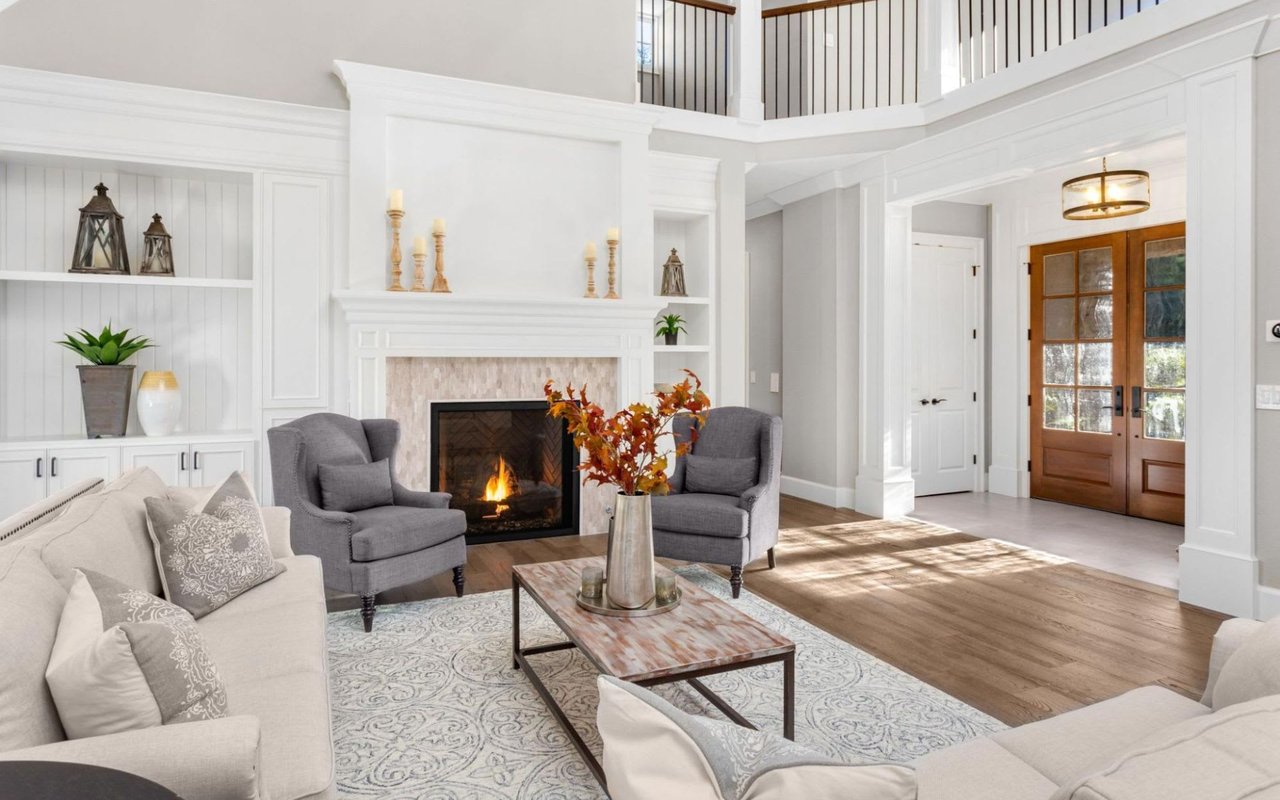
Older homes — typically over 50 years old — often come with undeniable charm and unique architectural elements that are difficult to replicate. Crown molding, original hardwood floors, and custom-built cabinetry tell a story that new homes simply can’t. However, they may also come with outdated electrical systems, less efficient insulation, and a higher likelihood of needed repairs. Despite these drawbacks, older homes in historic districts or high-demand neighborhoods can still fetch high prices, especially if they’ve been thoughtfully renovated.
Renovation Potential and Value Appreciation
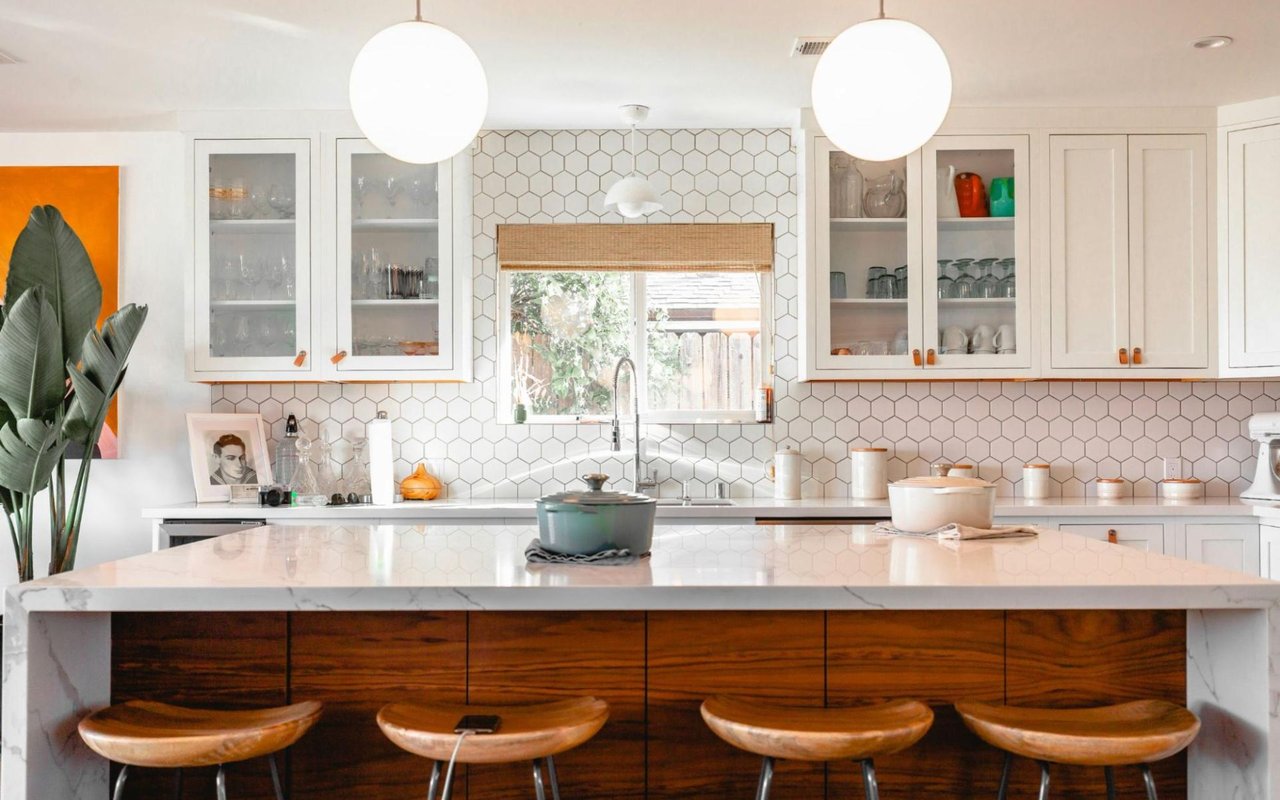
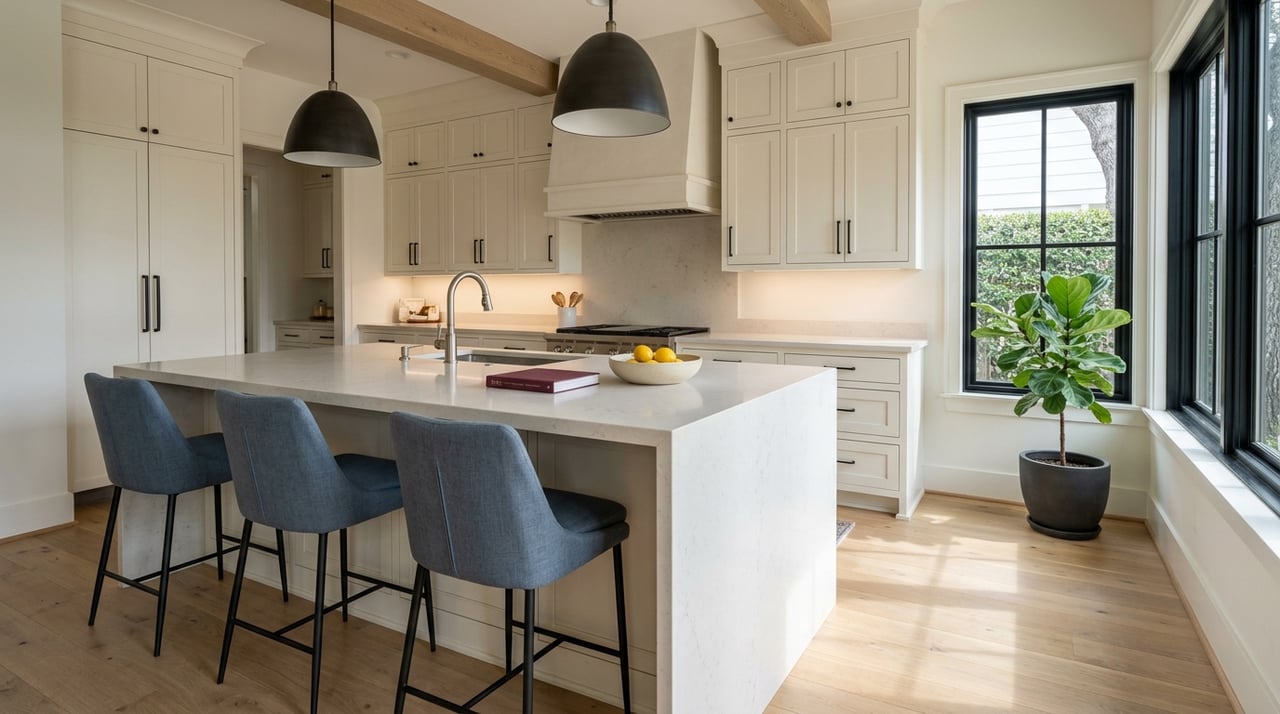
One of the key factors that influences a home’s value, regardless of age, is its renovation potential. Buyers often see older homes as opportunities for customization and equity building. A well-executed kitchen remodel or bathroom upgrade can boost an older home's value significantly, potentially exceeding that of a new home in the same area. On the flip side, deferred maintenance and poor renovation choices can diminish a property's worth, making inspections and professional evaluations critical.
Neighborhood Maturity and Its Impact on Value
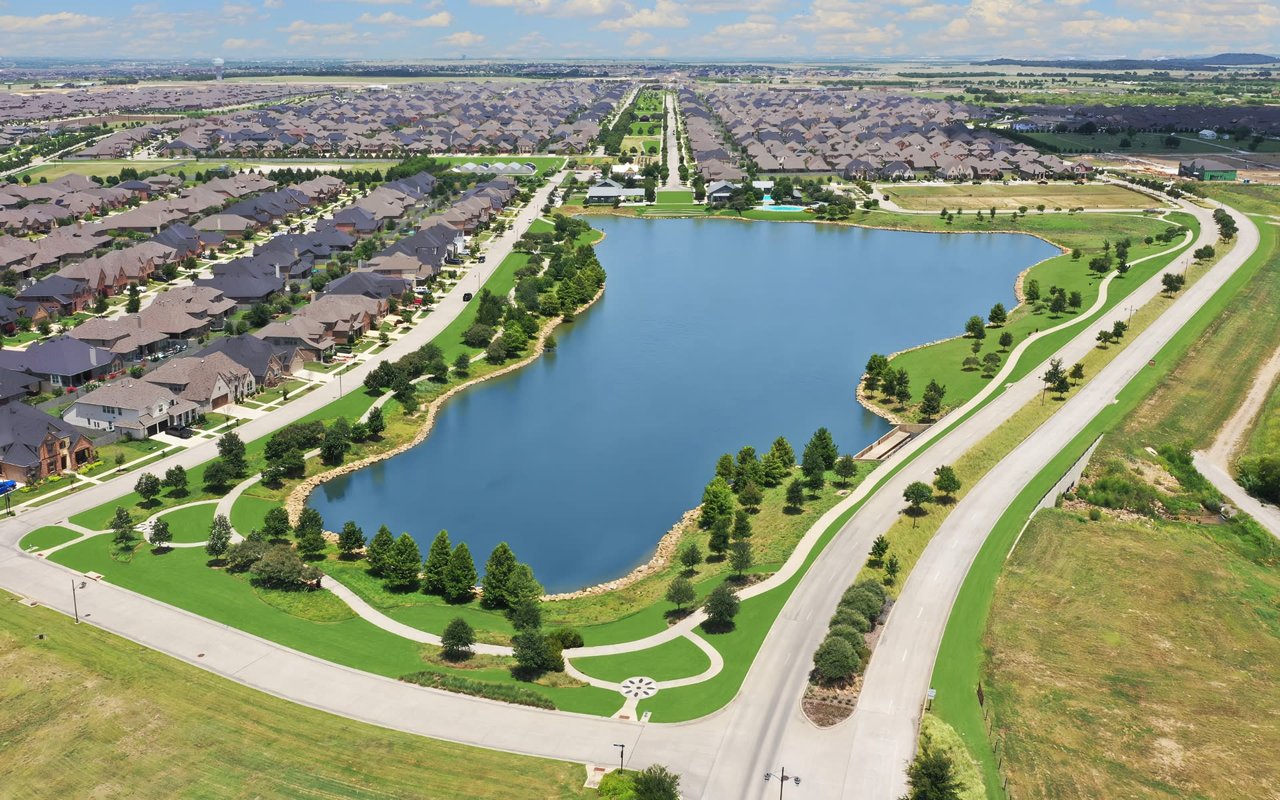
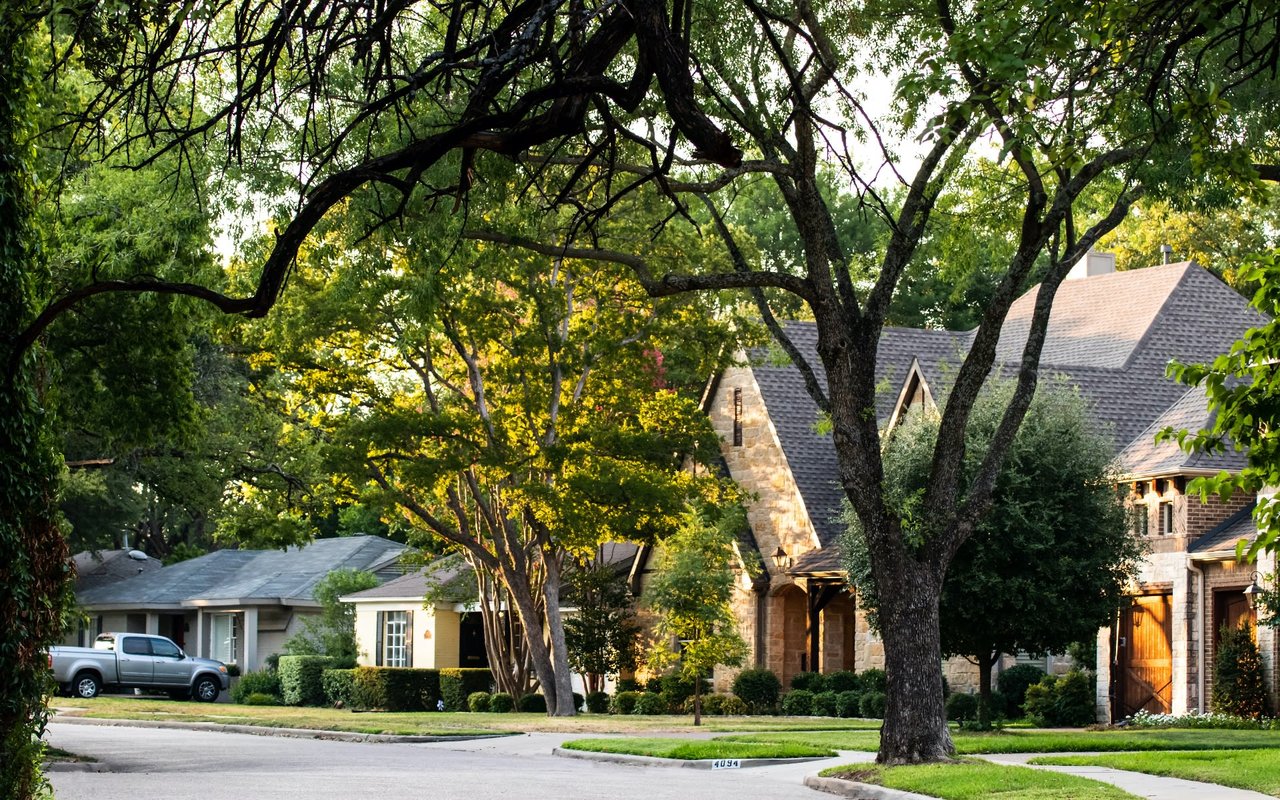
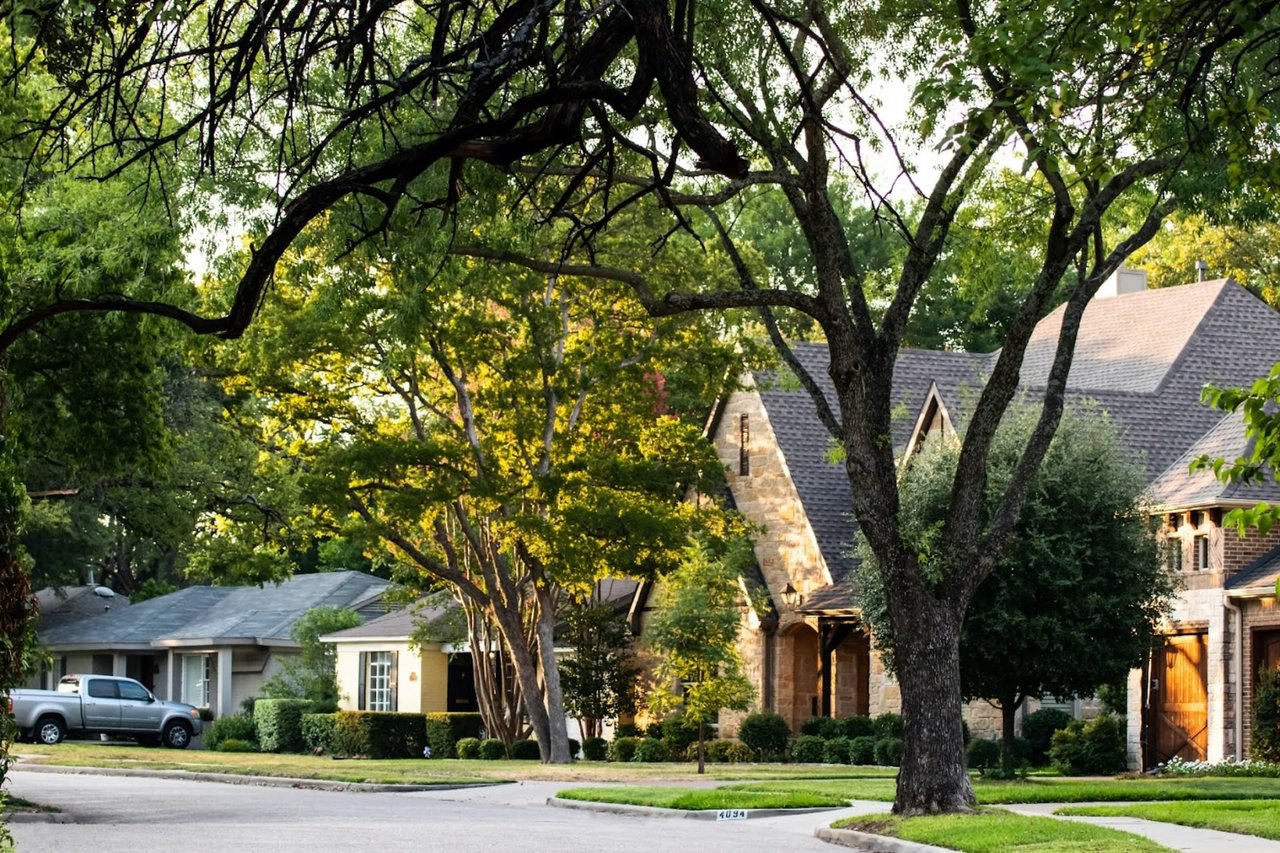
Homes in mature neighborhoods, which often consist of mid-aged or older properties, may benefit from stabilized property values, well-developed infrastructure, and strong community networks. In cities like Flower Mound, neighborhoods with a long-standing reputation for safety, quality schools, and accessibility tend to maintain — or increase — their property values regardless of home age. In contrast, newer developments may take years to establish a similar level of desirability.
Energy Efficiency and Long-Term Costs
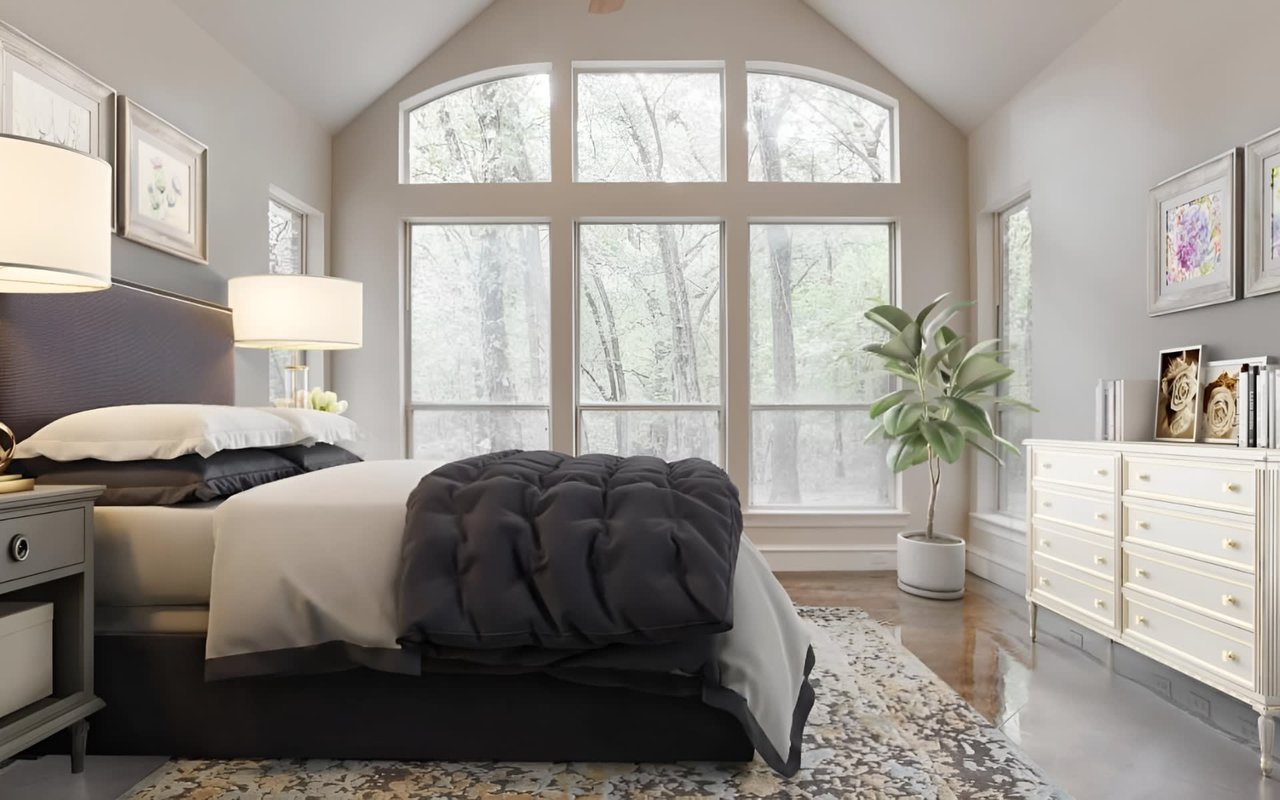
Newer homes tend to be more energy-efficient, featuring modern HVAC systems, high-performance windows, and better insulation. This can translate into lower monthly utility costs, which many buyers factor into their overall budget. Older homes, unless upgraded, may be less efficient and more costly to maintain. However, energy retrofits like solar panels, new appliances, or updated plumbing can bridge this gap and enhance both market value and comfort.
Historical Designations and Market Impact
Some older homes may carry historical designations, which can significantly influence market value. In some cases, these homes become prized assets in a community, celebrated for their architectural significance and preserved heritage. However, owning a historically designated home may come with restrictions on renovations and additions, which can limit customization and affect future resale value. Buyers need to weigh the prestige of a historical home against the responsibilities of preserving it.
Appraisal Complexities Based on Age
Appraising homes of varying ages can be complex. Newer homes are often easier to compare to similar recent builds, making valuations more straightforward. Older homes, however, require adjustments for unique features, upgrades, or functional obsolescence. In markets like Flower Mound where a mix of home ages exists, professional appraisers must carefully assess condition, location, and improvements to provide an accurate market value.
Emotional Value and Buyer Perception
The emotional connection a buyer feels toward a home can sometimes override logical evaluations. Some buyers fall in love with the character of an older home, while others feel more at ease in a fresh, never-lived-in space. These personal preferences often influence bidding behavior and final sale prices, especially in competitive real estate environments. Understanding the psychology behind homebuying can offer valuable insight into how age and perceived value interact.
Market Trends and Buyer Demographics
Trends also play a role in how home age is perceived. Younger buyers often lean toward modern, turnkey homes, while seasoned investors might be more open to restoring a vintage property for resale. Economic conditions, interest rates, and inventory levels also affect how different age brackets of homes perform. Currently, in areas like Flower Mound, demand for homes of all ages remains strong, but those that offer updated features and solid construction consistently outperform their peers.
Age Is Only One Chapter in a Home’s Story
While a home’s age certainly plays a role in determining market value, it’s far from the only factor. Location, condition, design, neighborhood maturity, and renovation potential all intertwine with age to paint a full picture of a home’s worth. Buyers browsing houses for sale in Flower Mound should consider not just when a home was built, but how it has aged — and what opportunities it offers for the future. With the right guidance and attention to detail, both old and new homes can serve as smart investments in a thriving market.
Let’s Find the Right Home, No Matter Its Age, With K.E. and Amy at the Berry Boyd Group
Whether you’re searching for modern convenience or timeless character, we—K.E. and Amy at the Berry Boyd Group—are here to guide you every step of the way. We’ll help you understand how a home’s age factors into its market value so you can make a confident, informed decision. Let’s find the home that’s just right for you.